IJIN Lab - World's Greatest Minds
Ancient wisdom meets modern insight. Explore the lives, philosophies, and timeless lessons of history's greatest minds.
50 great figures across 3 genres
Figures Who Overcame Adversity(22)
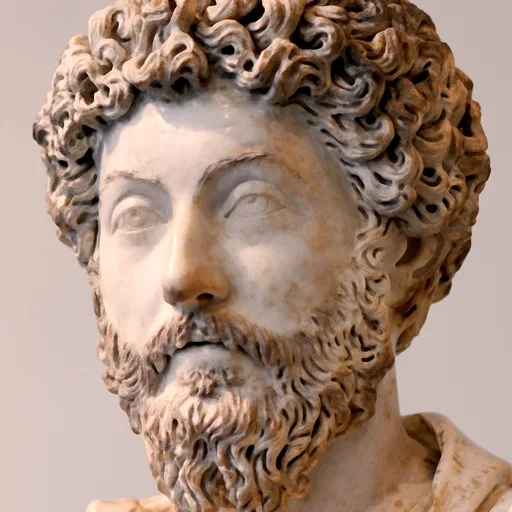
Marcus Aurelius
古代ローマ (0121)
「Everything depends on your judgment, and that judgment rests with you.」
Philosopher-emperor of the Roman Empire, 2nd century
Authored 'Meditations' and left a practical manual of Stoic philosophy
The insight that 'judgment causes suffering' is the very foundation of CBT
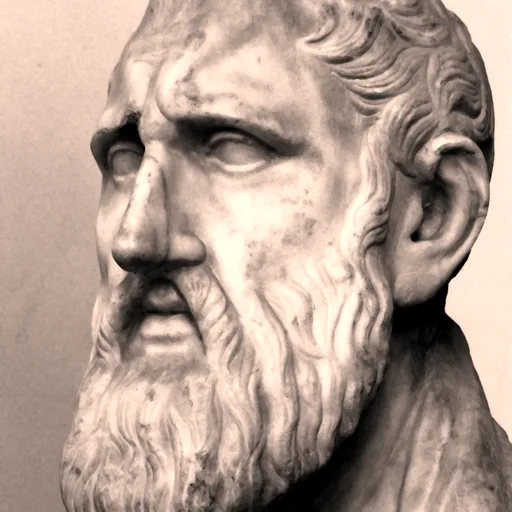
Zeno of Citium
キティオン (33 BC)
「Man conquers the world by conquering himself.」
Founder of Stoicism, 4th century BC, from Cyprus
After losing everything, taught that 'virtue is the only good'
The method of distinguishing controllable from uncontrollable is the source of modern resilience
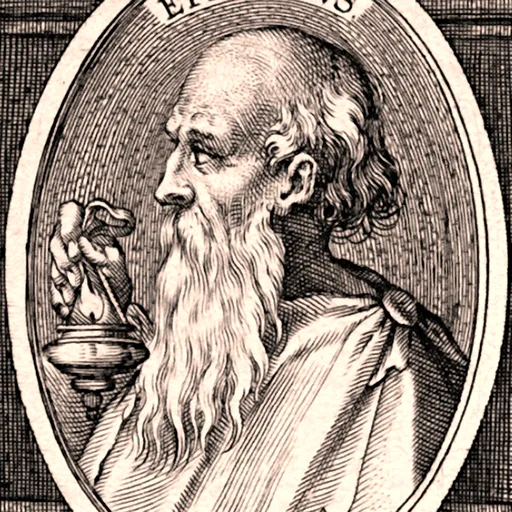
Epictetus
古代ローマ (0050)
「Some things are within our power, while others are not.」
Stoic philosopher and former slave, 1st-century Roman Empire
Taught the distinction between controllable and uncontrollable in 'Discourses' and 'Enchiridion'
The dichotomy of control is the origin of stress management and CBT
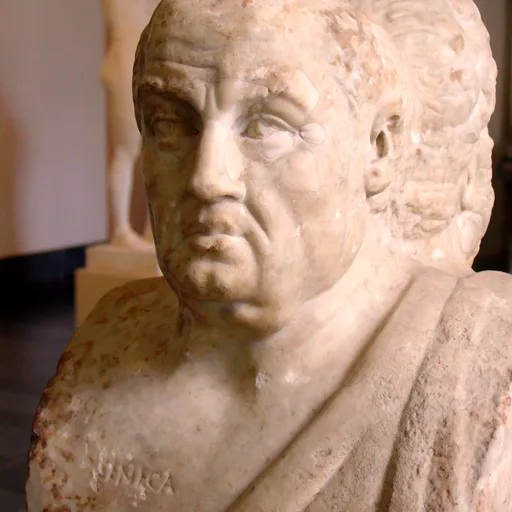
Seneca the Younger
古代ローマ (0 BC)
「It is not that we have a short time to live, but that we waste much of it.」
Stoic philosopher and statesman, 1st-century Roman Empire
Warned against wasting time in 'On the Shortness of Life'
Here lies the prescription for the disposable time stolen by mindless scrolling
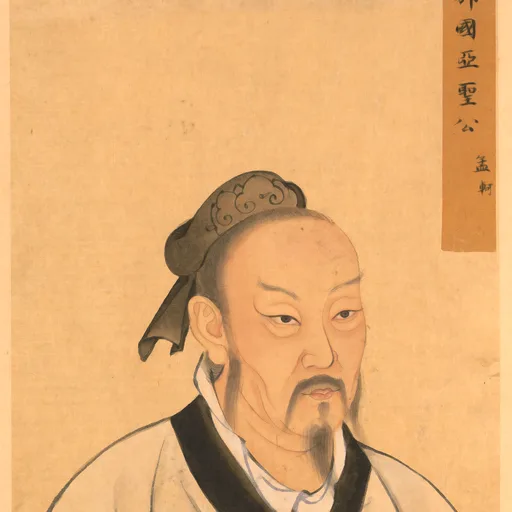
Mencius
邾 (37 BC)
「The feeling of compassion is the sprout of benevolence; shame, of righteousness; deference, of propriety; right and wrong, of wisdom.」
Confucian sage and 'Second Sage', 4th century BC Warring States
Systematized the theory of innate goodness and advocated benevolent governance
The belief in innate seeds of goodness is the Eastern origin of Theory Y management
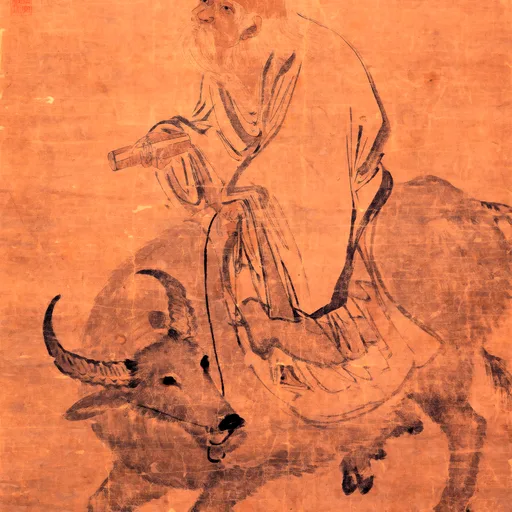
Laozi
周 (57 BC)
「The Tao that can be spoken is not the eternal Tao. The name that can be named is not the eternal name.」
Founder of Taoist thought, circa 6th century BC
Condensed the philosophy of 'the Way' and 'wu wei' into the 5,000-character 'Tao Te Ching'
The admonition against over-intervention, 'be like water,' resonates with the spirit of agile management
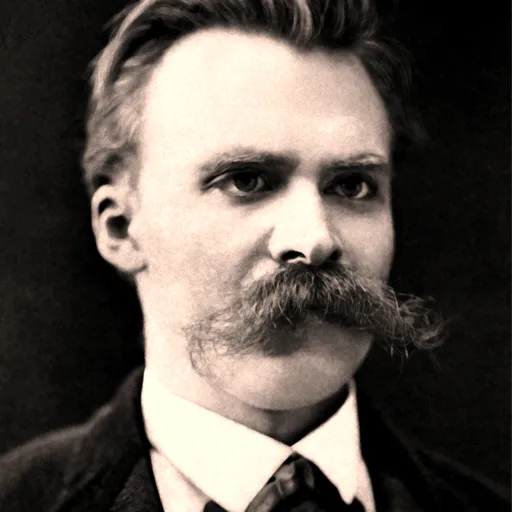
Friedrich Nietzsche
プロイセン王国 (1844)
「God is dead! God remains dead! And we have killed him!」
19th-century German philosopher
Shook modern philosophy to its foundations with 'God is dead,' 'Ubermensch,' and 'eternal return'
After the collapse of absolute values, we are challenged to create our own
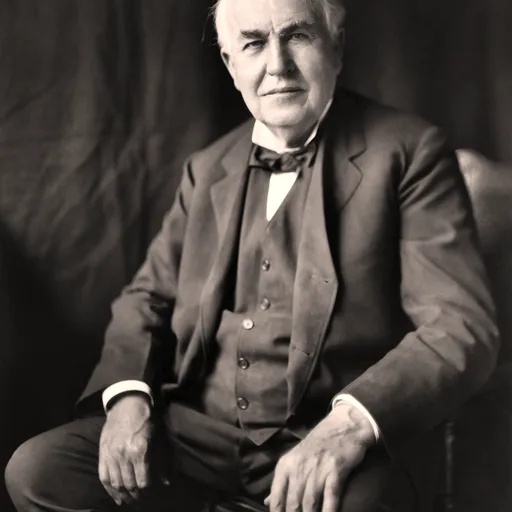
Thomas Edison
アメリカ合衆国 (1847)
「Genius is one percent inspiration and ninety-nine percent perspiration.」
19th-century American inventor and entrepreneur
Commercialized the light bulb and electrical systems and established organized R&D
The perspective of designing the entire ecosystem, not just the product, is the key to business
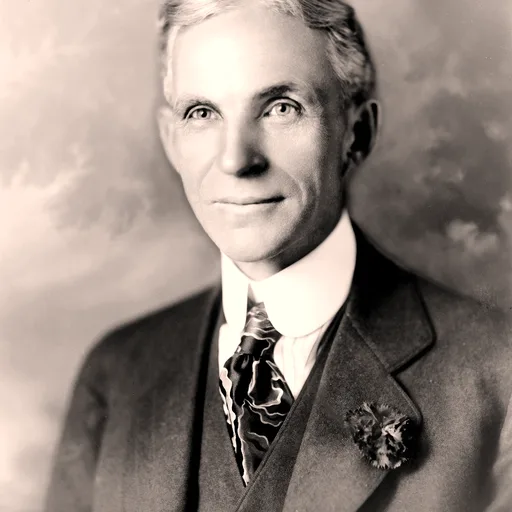
Henry Ford
アメリカ合衆国 (1863)
「Whether you think you can, or you think you can't -- you're right.」
Revolutionary of the American automobile industry, 19th-20th century
Established the mass production and mass consumption model with the Model T and moving assembly line
The idea of creating the market itself through disruptive pricing is the prototype of the freemium model
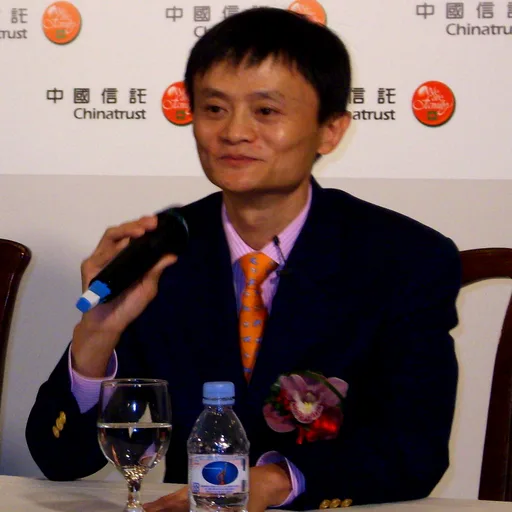
Jack Ma
中華人民共和国 (1964)
「Today is hard, tomorrow will be worse, but the day after tomorrow will be sunshine.」
20th-century Chinese internet entrepreneur
Founded Alibaba and built China's e-commerce and digital payment ecosystem
Entering from outside the field turns user perspective into a competitive weapon
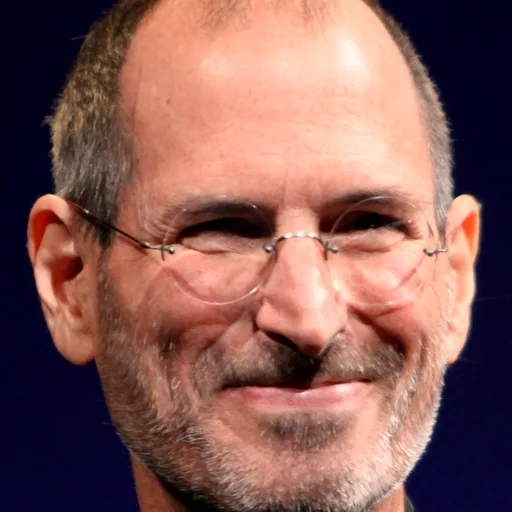
Steve Jobs
アメリカ合衆国 (1955)
「Stay Hungry. Stay Foolish.」
20th-century American technology entrepreneur
Redefined personal computing with the iPhone and Mac
The focus to decide 'what not to do' becomes the ultimate competitive advantage
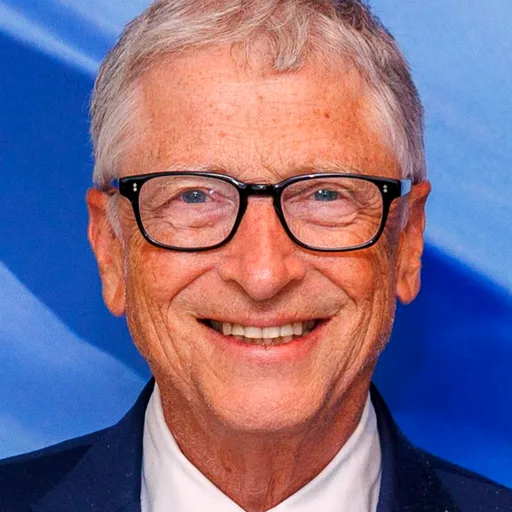
Bill Gates
アメリカ合衆国 (1955)
「Your most unhappy customers are your greatest source of learning.」
20th-century American technology entrepreneur and philanthropist
Co-founded Microsoft and drove the PC revolution by dominating the OS market
Ecosystem design is the key to competitive advantage in platform strategy
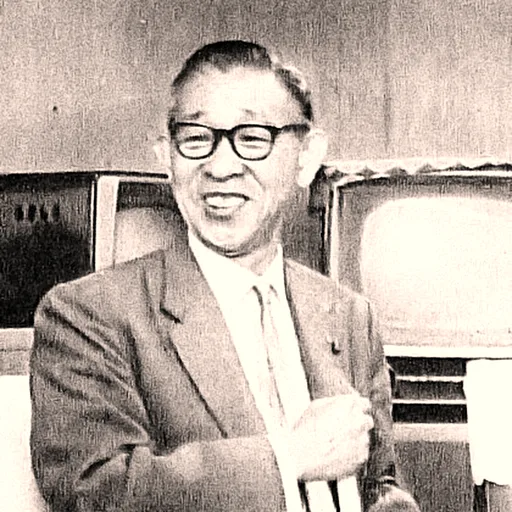
Kōnosuke Matsushita
日本 (1894)
「The manufacturer's mission is to overcome poverty by producing goods in such abundance that they become as plentiful and cheap as tap water.」
Meiji-Showa era industrialist and management thinker
Built Panasonic into a global enterprise and was called 'the God of Management'
The 'tap water philosophy' is the intellectual prototype of the freemium model
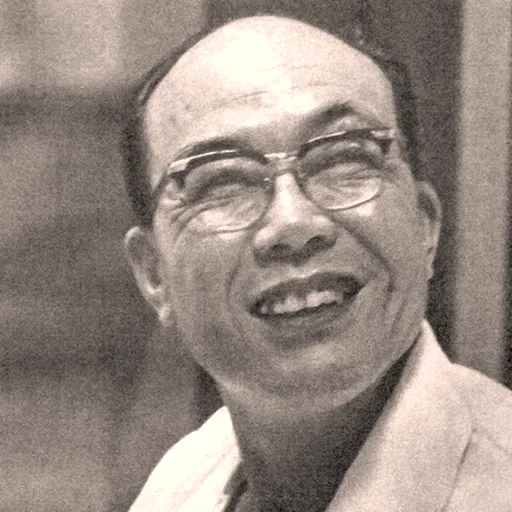
Soichiro Honda
日本 (1906)
「Only about one percent of my work truly succeeded. Ninety-nine percent was failure. That one percent made me who I am.」
Showa-era engineer-entrepreneur and Honda founder
Conquered the Isle of Man TT and broke through the impossible with the CVCC engine
A pioneer of division of labor: focus on the founder's strengths and delegate weaknesses to a trusted partner
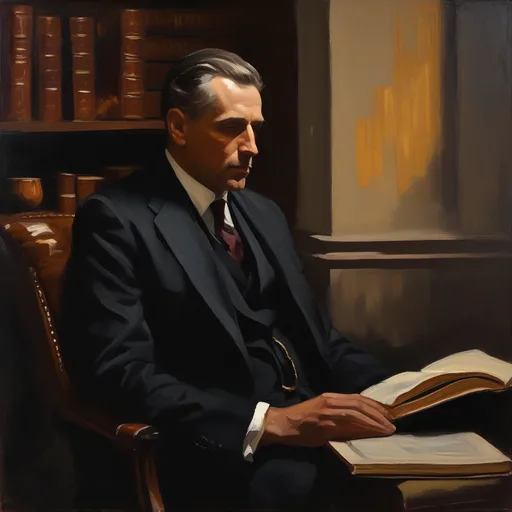
Howard Marks
「The most important thing is being attentive to cycles.」
20th-century American distressed debt investor and thinker
Co-founded Oaktree and championed the importance of 'second-level thinking'
The habit of always asking 'is it already priced in?' is the key
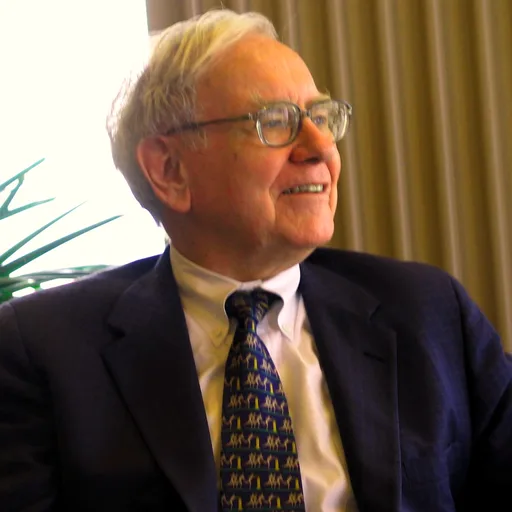
Warren Buffett
アメリカ合衆国 (1930)
「Rule No. 1: Never lose money. Rule No. 2: Never forget Rule No. 1.」
20th-century American investor, the 'Oracle of Omaha'
Led Berkshire Hathaway to ~20% compound annual growth over half a century
The discipline of competing only within your 'circle of competence' is the core of long-term investing
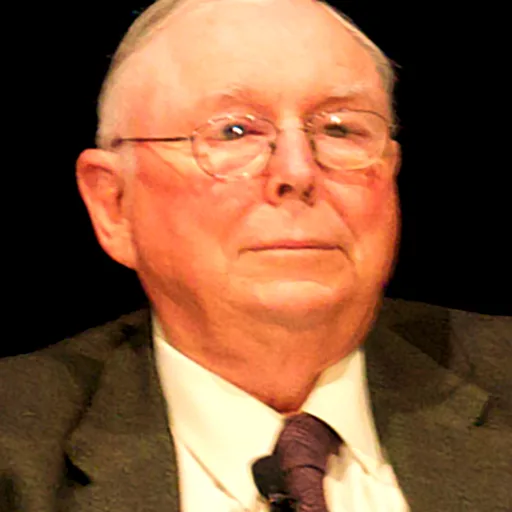
Charlie Munger
アメリカ合衆国 (1924)
「Invert, always invert.」
20th-century American investor and intellectual giant
Vice Chairman of Berkshire who championed 'mental models' and multidisciplinary thinking
Those who judge by a single metric become 'a man with only a hammer'
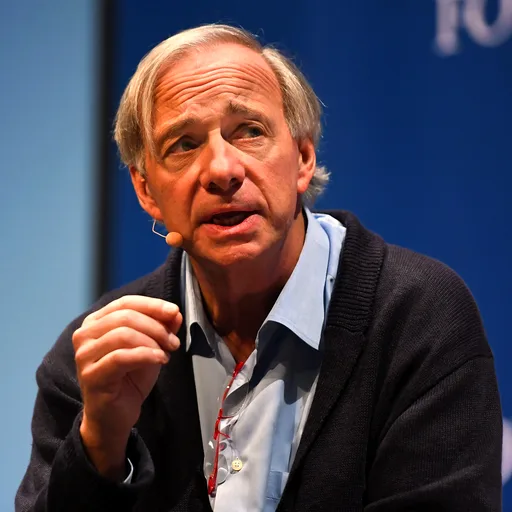
Ray Dalio
アメリカ合衆国 (1949)
「Pain plus reflection equals progress.」
20th-century American hedge fund founder and thinker
Founded Bridgewater and established risk parity strategy and principled management
The recognition that 'the economy has seasons' prevents panic selling during crashes
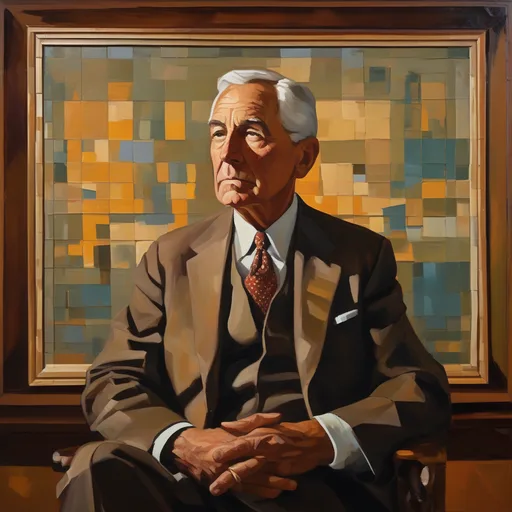
Peter Lynch
アメリカ合衆国 (1944)
「Invest in what you know.」
Legendary 20th-century American fund manager
Achieved an average annual return of 29.2% at the Magellan Fund
'Invest in what you know' is a compass for the age of information overload
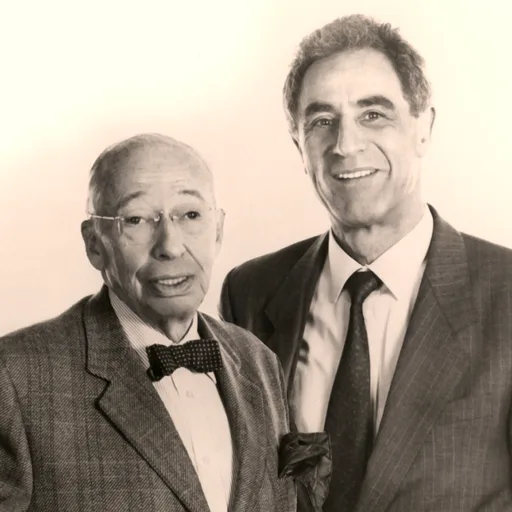
André Kostolany
ハンガリー (1906)
「Buy stocks, take sleeping pills, and stop looking at the papers. After many years you will see: you are rich.」
20th-century European speculative philosopher
Explained crowd psychology and market cycles through 'the egg theory'
Develops the eye to discern which stage of social media hype we are in
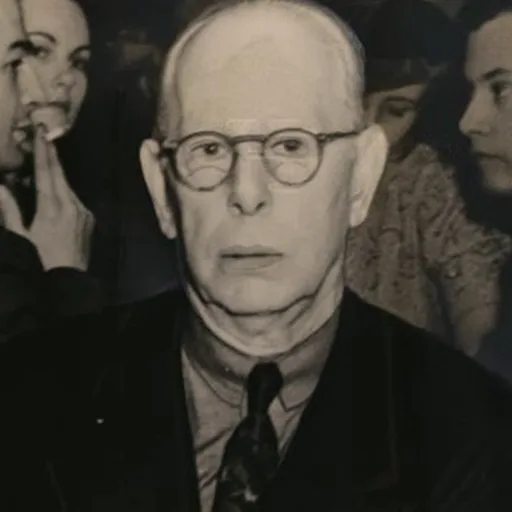
Jesse Livermore
アメリカ合衆国 (1877)
「There is nothing new in Wall Street. There can't be because speculation is as old as the hills.」
Legendary American trader, 19th-20th century
The 'Boy Plunger' who made ~$100 million shorting the crash
The value of 'sitting tight' resonates most in an era of impulse trading
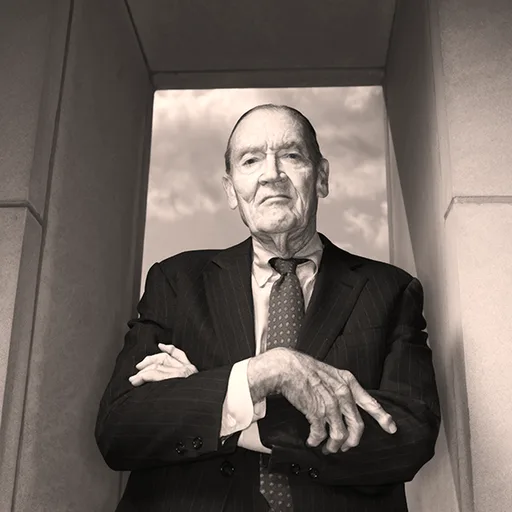
John C. Bogle
アメリカ合衆国 (1929)
「Don't look for the needle in the haystack. Just buy the haystack!」
Father of the index fund, 20th-century America
Founded Vanguard and democratized low-cost, long-term, diversified investing
A 0.1% difference in fees can mean millions over 30 years
Convention Breakers(9)
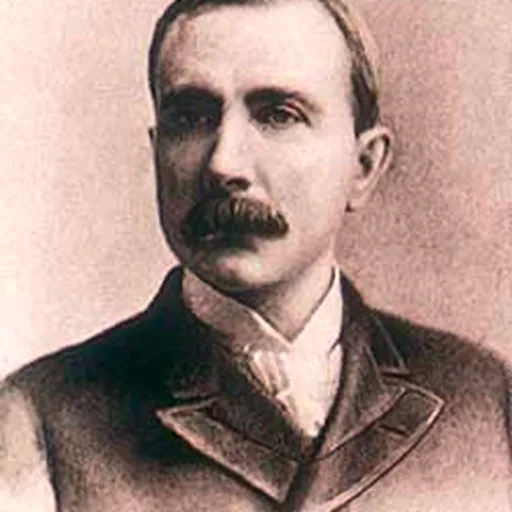
John D. Rockefeller
アメリカ合衆国 (1839)
「Don't be afraid to give up the good to go for the great.」
19th-century American oil magnate and philanthropist
Controlled 90% of U.S. oil supply through Standard Oil
The vision to oversee the entire value chain is the prototype of platform management
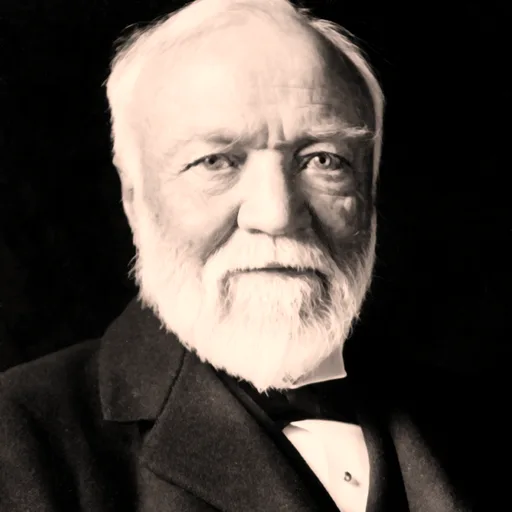
Andrew Carnegie
アメリカ合衆国 (1835)
「The man who dies rich dies disgraced.」
19th-century Scottish-born steel magnate and philanthropist
Dominated the U.S. steel industry and practiced systematic philanthropy through 'The Gospel of Wealth'
Per-ton cost visibility is the prototype of unit economics management
Thomas Edison
アメリカ合衆国 (1847)
「Genius is one percent inspiration and ninety-nine percent perspiration.」
19th-century American inventor and entrepreneur
Commercialized the light bulb and electrical systems and established organized R&D
The perspective of designing the entire ecosystem, not just the product, is the key to business
Henry Ford
アメリカ合衆国 (1863)
「Whether you think you can, or you think you can't -- you're right.」
Revolutionary of the American automobile industry, 19th-20th century
Established the mass production and mass consumption model with the Model T and moving assembly line
The idea of creating the market itself through disruptive pricing is the prototype of the freemium model
Steve Jobs
アメリカ合衆国 (1955)
「Stay Hungry. Stay Foolish.」
20th-century American technology entrepreneur
Redefined personal computing with the iPhone and Mac
The focus to decide 'what not to do' becomes the ultimate competitive advantage
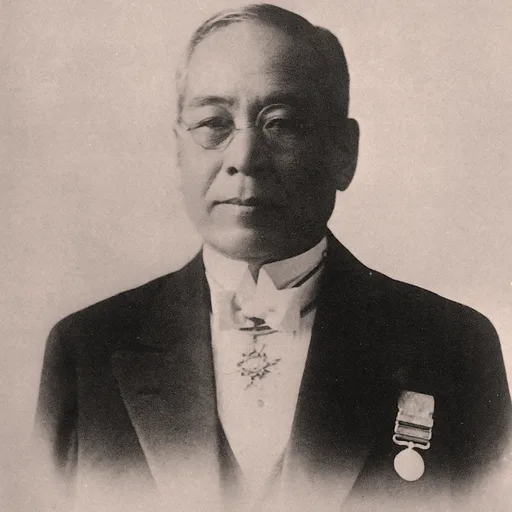
Sakichi Toyoda
日本 (1867)
「Open the shoji screen and look outside; the world is vast.」
Meiji-early Showa inventor and industrialist
Invented the automatic loom and laid the foundation for the Toyota Group
Auto-stop upon anomaly detection ('jidoka') connects to AI-era risk management
Soichiro Honda
日本 (1906)
「Only about one percent of my work truly succeeded. Ninety-nine percent was failure. That one percent made me who I am.」
Showa-era engineer-entrepreneur and Honda founder
Conquered the Isle of Man TT and broke through the impossible with the CVCC engine
A pioneer of division of labor: focus on the founder's strengths and delegate weaknesses to a trusted partner
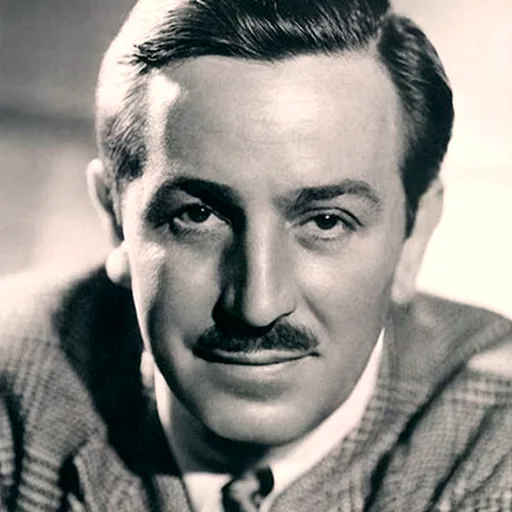
Walt Disney
アメリカ合衆国 (1901)
「All our dreams can come true, if we have the courage to pursue them.」
20th-century American entertainment entrepreneur
Industrialized storytelling experiences with Mickey Mouse and Disneyland
The commitment to owning intellectual property in-house is the core of modern content business
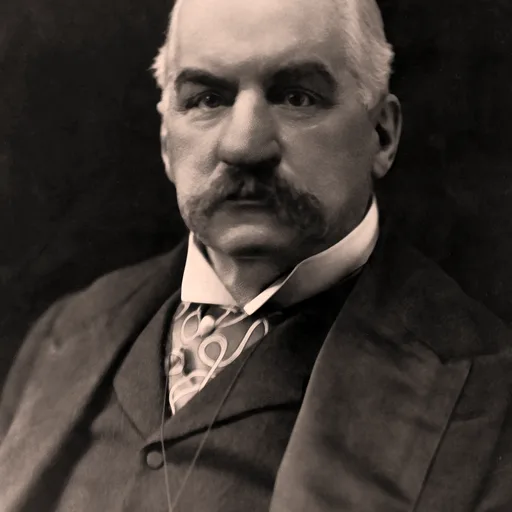
J. P. Morgan
アメリカ合衆国 (1837)
「A man always has two reasons for the things he does -- a good one, and the real one.」
19th-century American financier and banker
Resolved the 1907 Panic through personal credibility and catalyzed the Federal Reserve's creation
The quality and trustworthiness of management remains the core of investment decisions even in the AI era
Courageous Figures(13)
Marcus Aurelius
古代ローマ (0121)
「Everything depends on your judgment, and that judgment rests with you.」
Philosopher-emperor of the Roman Empire, 2nd century
Authored 'Meditations' and left a practical manual of Stoic philosophy
The insight that 'judgment causes suffering' is the very foundation of CBT
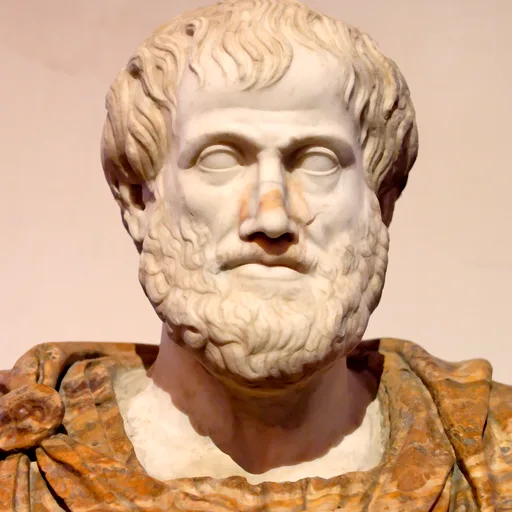
Aristotle
(38 BC)
「All human beings by nature desire to know.」
Polymath of 4th-century BC ancient Greece
Systematized disciplines from logic to biology and defined the framework of Western knowledge
'The golden mean' and 'practical wisdom' remain uniquely human judgment that even AI cannot automate
Laozi
周 (57 BC)
「The Tao that can be spoken is not the eternal Tao. The name that can be named is not the eternal name.」
Founder of Taoist thought, circa 6th century BC
Condensed the philosophy of 'the Way' and 'wu wei' into the 5,000-character 'Tao Te Ching'
The admonition against over-intervention, 'be like water,' resonates with the spirit of agile management
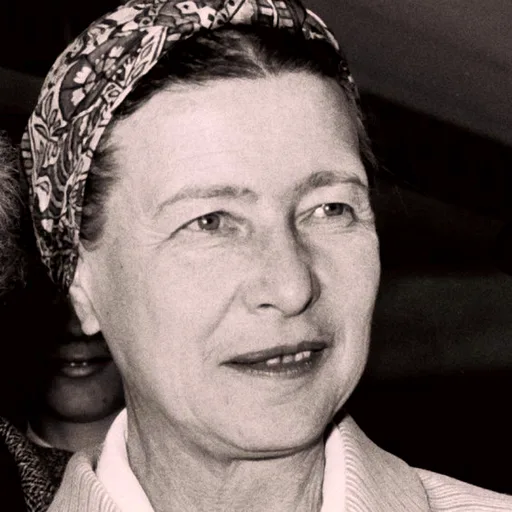
Simone de Beauvoir
フランス (1908)
「One is not born, but rather becomes, a woman.」
20th-century French existentialist philosopher and feminist
Presented the social construction of gender in 'The Second Sex' and pioneered feminist theory
The constructivist perspective of questioning 'what we take for granted' is the starting point of innovation
Jack Ma
中華人民共和国 (1964)
「Today is hard, tomorrow will be worse, but the day after tomorrow will be sunshine.」
20th-century Chinese internet entrepreneur
Founded Alibaba and built China's e-commerce and digital payment ecosystem
Entering from outside the field turns user perspective into a competitive weapon
Steve Jobs
アメリカ合衆国 (1955)
「Stay Hungry. Stay Foolish.」
20th-century American technology entrepreneur
Redefined personal computing with the iPhone and Mac
The focus to decide 'what not to do' becomes the ultimate competitive advantage
Sakichi Toyoda
日本 (1867)
「Open the shoji screen and look outside; the world is vast.」
Meiji-early Showa inventor and industrialist
Invented the automatic loom and laid the foundation for the Toyota Group
Auto-stop upon anomaly detection ('jidoka') connects to AI-era risk management
Kōnosuke Matsushita
日本 (1894)
「The manufacturer's mission is to overcome poverty by producing goods in such abundance that they become as plentiful and cheap as tap water.」
Meiji-Showa era industrialist and management thinker
Built Panasonic into a global enterprise and was called 'the God of Management'
The 'tap water philosophy' is the intellectual prototype of the freemium model
Soichiro Honda
日本 (1906)
「Only about one percent of my work truly succeeded. Ninety-nine percent was failure. That one percent made me who I am.」
Showa-era engineer-entrepreneur and Honda founder
Conquered the Isle of Man TT and broke through the impossible with the CVCC engine
A pioneer of division of labor: focus on the founder's strengths and delegate weaknesses to a trusted partner
Walt Disney
アメリカ合衆国 (1901)
「All our dreams can come true, if we have the courage to pursue them.」
20th-century American entertainment entrepreneur
Industrialized storytelling experiences with Mickey Mouse and Disneyland
The commitment to owning intellectual property in-house is the core of modern content business
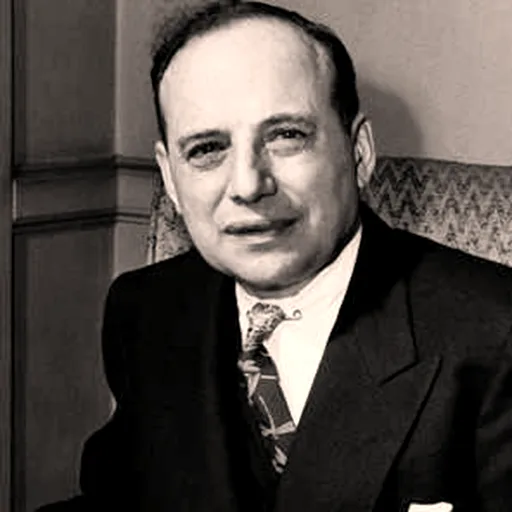
Benjamin Graham
アメリカ合衆国 (1894)
「In the short run, the market is a voting machine but in the long run, it is a weighing machine.」
Father of value investing, 20th-century America
Systematized rational investing through 'margin of safety' and 'Mr. Market'
An intellectual framework for tuning out market noise is the first step in investing
Ray Dalio
アメリカ合衆国 (1949)
「Pain plus reflection equals progress.」
20th-century American hedge fund founder and thinker
Founded Bridgewater and established risk parity strategy and principled management
The recognition that 'the economy has seasons' prevents panic selling during crashes
J. P. Morgan
アメリカ合衆国 (1837)
「A man always has two reasons for the things he does -- a good one, and the real one.」
19th-century American financier and banker
Resolved the 1907 Panic through personal credibility and catalyzed the Federal Reserve's creation
The quality and trustworthiness of management remains the core of investment decisions even in the AI era
Great Leaders(15)
Mencius
邾 (37 BC)
「The feeling of compassion is the sprout of benevolence; shame, of righteousness; deference, of propriety; right and wrong, of wisdom.」
Confucian sage and 'Second Sage', 4th century BC Warring States
Systematized the theory of innate goodness and advocated benevolent governance
The belief in innate seeds of goodness is the Eastern origin of Theory Y management
John D. Rockefeller
アメリカ合衆国 (1839)
「Don't be afraid to give up the good to go for the great.」
19th-century American oil magnate and philanthropist
Controlled 90% of U.S. oil supply through Standard Oil
The vision to oversee the entire value chain is the prototype of platform management
Andrew Carnegie
アメリカ合衆国 (1835)
「The man who dies rich dies disgraced.」
19th-century Scottish-born steel magnate and philanthropist
Dominated the U.S. steel industry and practiced systematic philanthropy through 'The Gospel of Wealth'
Per-ton cost visibility is the prototype of unit economics management
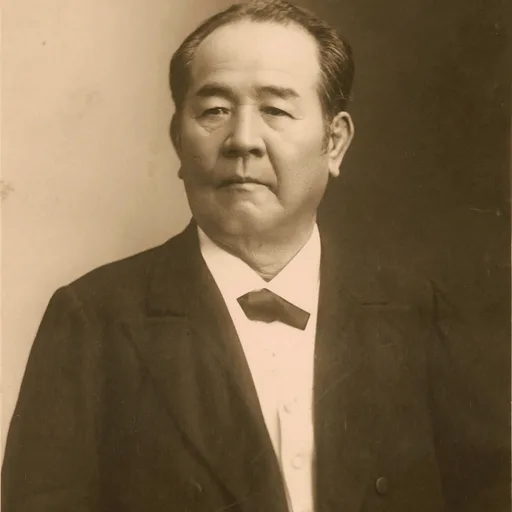
Shibusawa Eiichi
日本 (1840)
「What is the root of wealth? Benevolence and moral principle. Unless grounded in right reason, wealth cannot endure.」
Bakumatsu-Taisho era industrialist, 'Father of Japanese Capitalism'
Involved in founding 500+ companies and advocated the unity of morality and economy in 'The Analects and the Abacus'
The unity of profit and ethics is the origin of purpose-driven management in the ESG era
Henry Ford
アメリカ合衆国 (1863)
「Whether you think you can, or you think you can't -- you're right.」
Revolutionary of the American automobile industry, 19th-20th century
Established the mass production and mass consumption model with the Model T and moving assembly line
The idea of creating the market itself through disruptive pricing is the prototype of the freemium model
Jack Ma
中華人民共和国 (1964)
「Today is hard, tomorrow will be worse, but the day after tomorrow will be sunshine.」
20th-century Chinese internet entrepreneur
Founded Alibaba and built China's e-commerce and digital payment ecosystem
Entering from outside the field turns user perspective into a competitive weapon
Steve Jobs
アメリカ合衆国 (1955)
「Stay Hungry. Stay Foolish.」
20th-century American technology entrepreneur
Redefined personal computing with the iPhone and Mac
The focus to decide 'what not to do' becomes the ultimate competitive advantage
Bill Gates
アメリカ合衆国 (1955)
「Your most unhappy customers are your greatest source of learning.」
20th-century American technology entrepreneur and philanthropist
Co-founded Microsoft and drove the PC revolution by dominating the OS market
Ecosystem design is the key to competitive advantage in platform strategy
Kōnosuke Matsushita
日本 (1894)
「The manufacturer's mission is to overcome poverty by producing goods in such abundance that they become as plentiful and cheap as tap water.」
Meiji-Showa era industrialist and management thinker
Built Panasonic into a global enterprise and was called 'the God of Management'
The 'tap water philosophy' is the intellectual prototype of the freemium model
Soichiro Honda
日本 (1906)
「Only about one percent of my work truly succeeded. Ninety-nine percent was failure. That one percent made me who I am.」
Showa-era engineer-entrepreneur and Honda founder
Conquered the Isle of Man TT and broke through the impossible with the CVCC engine
A pioneer of division of labor: focus on the founder's strengths and delegate weaknesses to a trusted partner
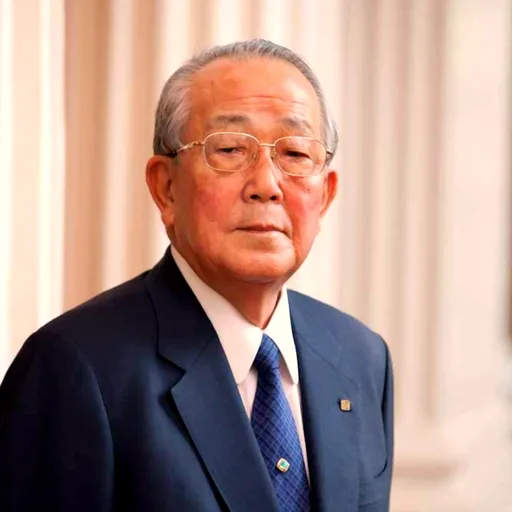
Kazuo Inamori
日本 (1932)
「The result of life and work = Attitude x Effort x Ability.」
Showa-Heisei era serial entrepreneur and management philosopher
Founded Kyocera and KDDI and turned around JAL in just two years
The self-interrogation 'is my motive virtuous?' is the core of altruistic management philosophy
Walt Disney
アメリカ合衆国 (1901)
「All our dreams can come true, if we have the courage to pursue them.」
20th-century American entertainment entrepreneur
Industrialized storytelling experiences with Mickey Mouse and Disneyland
The commitment to owning intellectual property in-house is the core of modern content business
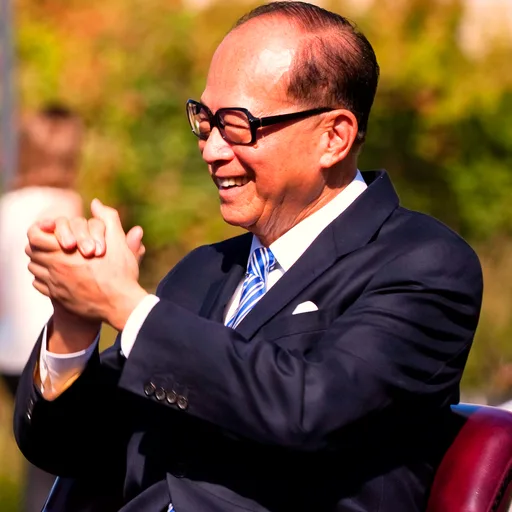
Li Ka-shing
カナダ (1928)
「Vision is perhaps our greatest strength... it has kept us alive to the power and continuity of thought.」
20th-century Hong Kong industrialist and investor
Built one of Asia's largest conglomerates from a plastic flower factory
The discipline of buying in crisis and selling in prosperity is the essence of long-term investing
J. P. Morgan
アメリカ合衆国 (1837)
「A man always has two reasons for the things he does -- a good one, and the real one.」
19th-century American financier and banker
Resolved the 1907 Panic through personal credibility and catalyzed the Federal Reserve's creation
The quality and trustworthiness of management remains the core of investment decisions even in the AI era
John C. Bogle
アメリカ合衆国 (1929)
「Don't look for the needle in the haystack. Just buy the haystack!」
Father of the index fund, 20th-century America
Founded Vanguard and democratized low-cost, long-term, diversified investing
A 0.1% difference in fees can mean millions over 30 years
Fearless Challengers(7)
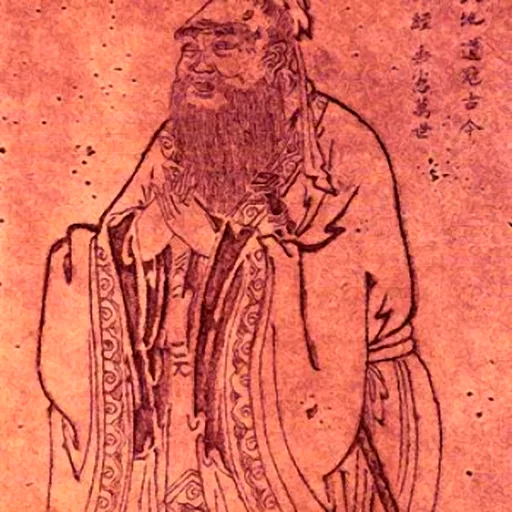
Confucius
魯 (55 BC)
「Do not impose on others what you yourself do not desire.」
Founder of Confucianism, 6th century BC Spring and Autumn period
Built a practical moral system centered on benevolence, ritual, and filial piety, recorded in the Analerta
'Do not do unto others what you would not have done unto you' is the origin of business ethics
John D. Rockefeller
アメリカ合衆国 (1839)
「Don't be afraid to give up the good to go for the great.」
19th-century American oil magnate and philanthropist
Controlled 90% of U.S. oil supply through Standard Oil
The vision to oversee the entire value chain is the prototype of platform management
Henry Ford
アメリカ合衆国 (1863)
「Whether you think you can, or you think you can't -- you're right.」
Revolutionary of the American automobile industry, 19th-20th century
Established the mass production and mass consumption model with the Model T and moving assembly line
The idea of creating the market itself through disruptive pricing is the prototype of the freemium model
Jack Ma
中華人民共和国 (1964)
「Today is hard, tomorrow will be worse, but the day after tomorrow will be sunshine.」
20th-century Chinese internet entrepreneur
Founded Alibaba and built China's e-commerce and digital payment ecosystem
Entering from outside the field turns user perspective into a competitive weapon
Steve Jobs
アメリカ合衆国 (1955)
「Stay Hungry. Stay Foolish.」
20th-century American technology entrepreneur
Redefined personal computing with the iPhone and Mac
The focus to decide 'what not to do' becomes the ultimate competitive advantage
Soichiro Honda
日本 (1906)
「Only about one percent of my work truly succeeded. Ninety-nine percent was failure. That one percent made me who I am.」
Showa-era engineer-entrepreneur and Honda founder
Conquered the Isle of Man TT and broke through the impossible with the CVCC engine
A pioneer of division of labor: focus on the founder's strengths and delegate weaknesses to a trusted partner
Walt Disney
アメリカ合衆国 (1901)
「All our dreams can come true, if we have the courage to pursue them.」
20th-century American entertainment entrepreneur
Industrialized storytelling experiences with Mickey Mouse and Disneyland
The commitment to owning intellectual property in-house is the core of modern content business
Life Philosophers(16)
Seneca the Younger
古代ローマ (0 BC)
「It is not that we have a short time to live, but that we waste much of it.」
Stoic philosopher and statesman, 1st-century Roman Empire
Warned against wasting time in 'On the Shortness of Life'
Here lies the prescription for the disposable time stolen by mindless scrolling
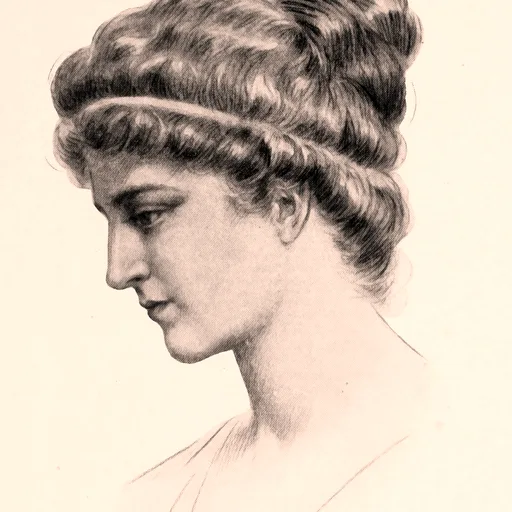
Hypatia
東ローマ帝国 (0360)
「Reserve your right to think, for even to think wrongly is better than not to think at all.」
Philosopher and mathematician in 4th-century Alexandria
Led a school transcending sects and was called the last light of ancient intellect
The courage to maintain intellectual independence is essential in our era of social media polarization
Aristotle
(38 BC)
「All human beings by nature desire to know.」
Polymath of 4th-century BC ancient Greece
Systematized disciplines from logic to biology and defined the framework of Western knowledge
'The golden mean' and 'practical wisdom' remain uniquely human judgment that even AI cannot automate

Nagarjuna
(0150)
「Neither ceasing nor arising, neither annihilated nor eternal, neither one nor many, neither coming nor going.」
Mahayana Buddhist monk and philosopher, 2nd-century South India
Systematized the theory of 'emptiness' and founded the Madhyamaka school
The wisdom of releasing attachment to fixed ideas connects to fearless pivoting in business
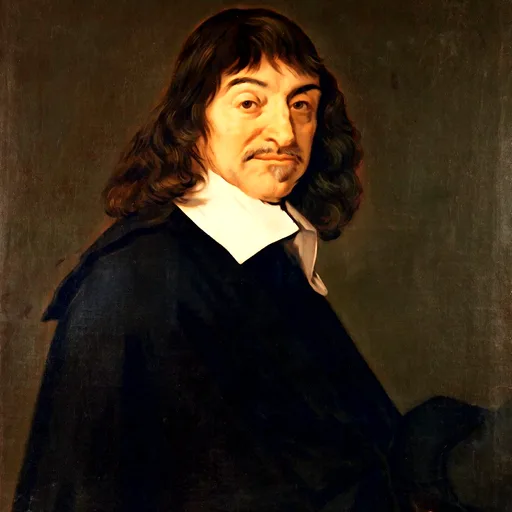
René Descartes
フランス (1596)
「I think, therefore I am.」
17th-century French philosopher and mathematician
Established the starting point of modern philosophy with 'I think, therefore I am'
Methodical doubt is the best defense against fake news and cognitive bias
Simone de Beauvoir
フランス (1908)
「One is not born, but rather becomes, a woman.」
20th-century French existentialist philosopher and feminist
Presented the social construction of gender in 'The Second Sex' and pioneered feminist theory
The constructivist perspective of questioning 'what we take for granted' is the starting point of innovation
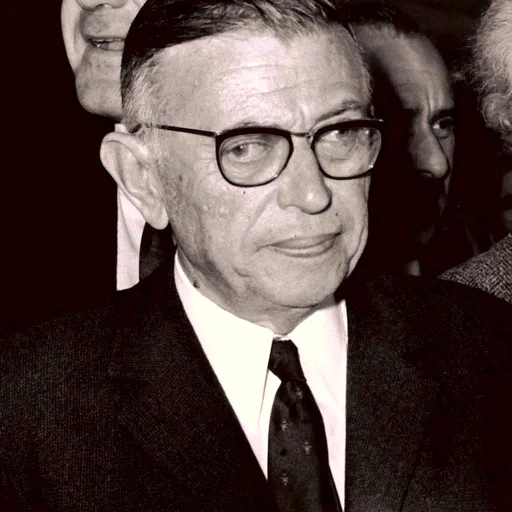
Jean-Paul Sartre
フランス (1905)
「Existence precedes essence.」
20th-century French existentialist philosopher and playwright
Declared 'existence precedes essence' and systematized the philosophy of freedom and responsibility
The career view that present choices, not past attributes, define the self
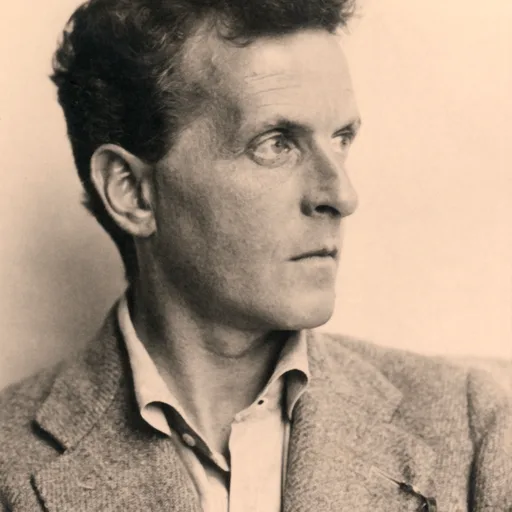
Ludwig Wittgenstein
オーストリア (1889)
「Whereof one cannot speak, thereof one must be silent.」
20th-century Austrian-born analytical philosopher
A giant of language philosophy who twice redrew the map of philosophy in early and later periods
Resolving confusion from 'using the same words with different meanings' is the key to team productivity
Andrew Carnegie
アメリカ合衆国 (1835)
「The man who dies rich dies disgraced.」
19th-century Scottish-born steel magnate and philanthropist
Dominated the U.S. steel industry and practiced systematic philanthropy through 'The Gospel of Wealth'
Per-ton cost visibility is the prototype of unit economics management
Shibusawa Eiichi
日本 (1840)
「What is the root of wealth? Benevolence and moral principle. Unless grounded in right reason, wealth cannot endure.」
Bakumatsu-Taisho era industrialist, 'Father of Japanese Capitalism'
Involved in founding 500+ companies and advocated the unity of morality and economy in 'The Analects and the Abacus'
The unity of profit and ethics is the origin of purpose-driven management in the ESG era
Steve Jobs
アメリカ合衆国 (1955)
「Stay Hungry. Stay Foolish.」
20th-century American technology entrepreneur
Redefined personal computing with the iPhone and Mac
The focus to decide 'what not to do' becomes the ultimate competitive advantage
Kōnosuke Matsushita
日本 (1894)
「The manufacturer's mission is to overcome poverty by producing goods in such abundance that they become as plentiful and cheap as tap water.」
Meiji-Showa era industrialist and management thinker
Built Panasonic into a global enterprise and was called 'the God of Management'
The 'tap water philosophy' is the intellectual prototype of the freemium model
Kazuo Inamori
日本 (1932)
「The result of life and work = Attitude x Effort x Ability.」
Showa-Heisei era serial entrepreneur and management philosopher
Founded Kyocera and KDDI and turned around JAL in just two years
The self-interrogation 'is my motive virtuous?' is the core of altruistic management philosophy
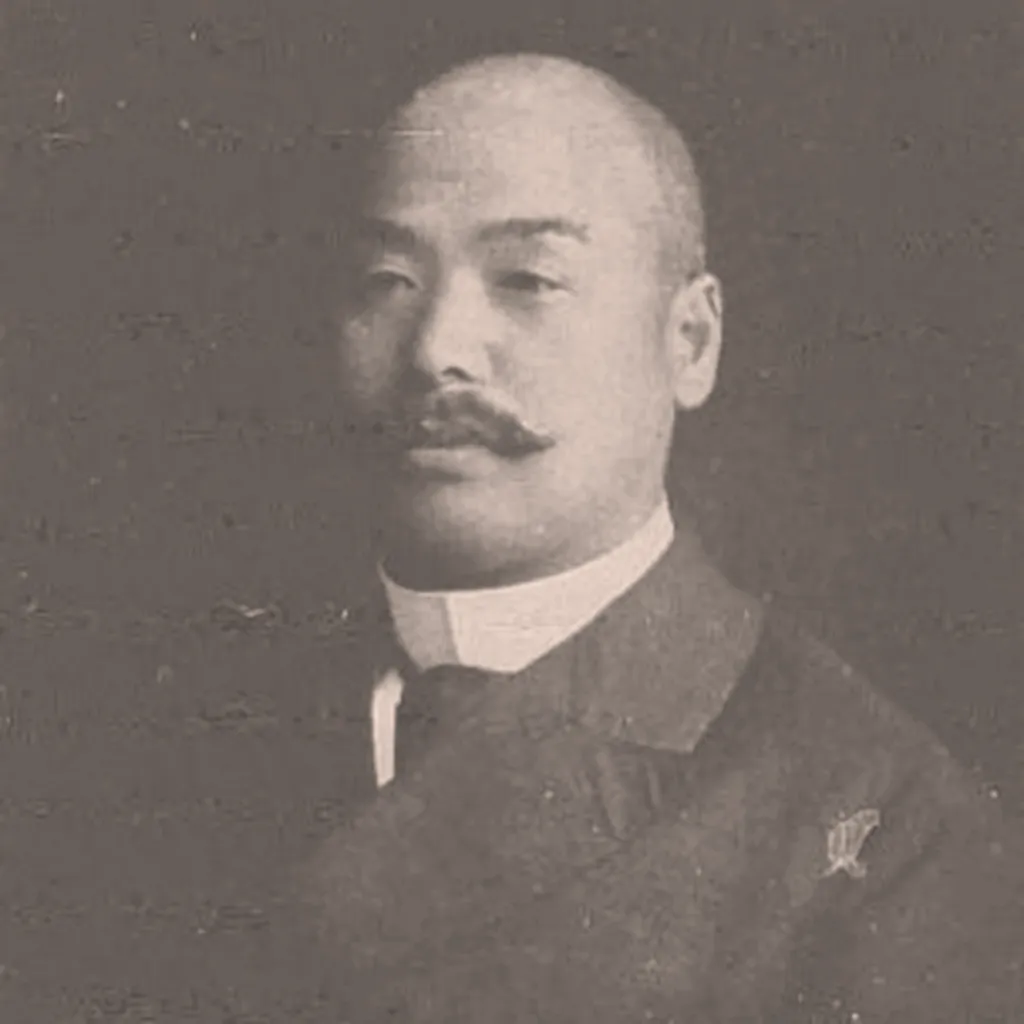
Seiroku Honda
日本 (1866)
「Save a quarter of your salary before you spend a single yen.」
Meiji-Showa era forestry scholar and individual investor
Built a fortune through the 'quarter savings' method and donated it all
Systematic investment is the strongest starting point in the era of tax-free accounts
Li Ka-shing
カナダ (1928)
「Vision is perhaps our greatest strength... it has kept us alive to the power and continuity of thought.」
20th-century Hong Kong industrialist and investor
Built one of Asia's largest conglomerates from a plastic flower factory
The discipline of buying in crisis and selling in prosperity is the essence of long-term investing
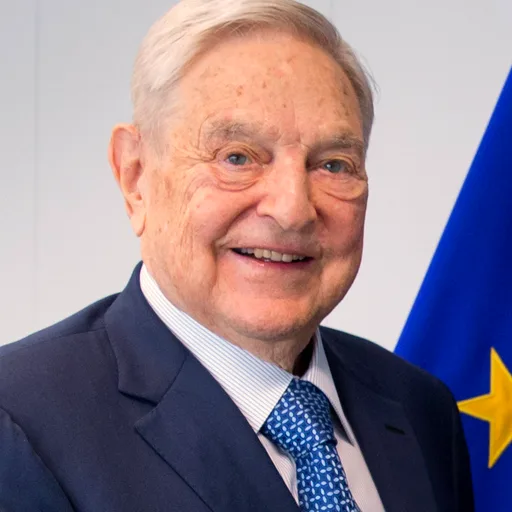
George Soros
ハンガリー (1930)
「Markets are constantly in a state of uncertainty and flux, and money is made by discounting the obvious and betting on the unexpected.」
20th-century Hungarian-born investor and philanthropist
Called 'the man who broke the Bank of England' for his pound short
Reflexivity theory is essential reading for an era where social media amplifies market psychology
Truth Seekers(14)
Zeno of Citium
キティオン (33 BC)
「Man conquers the world by conquering himself.」
Founder of Stoicism, 4th century BC, from Cyprus
After losing everything, taught that 'virtue is the only good'
The method of distinguishing controllable from uncontrollable is the source of modern resilience
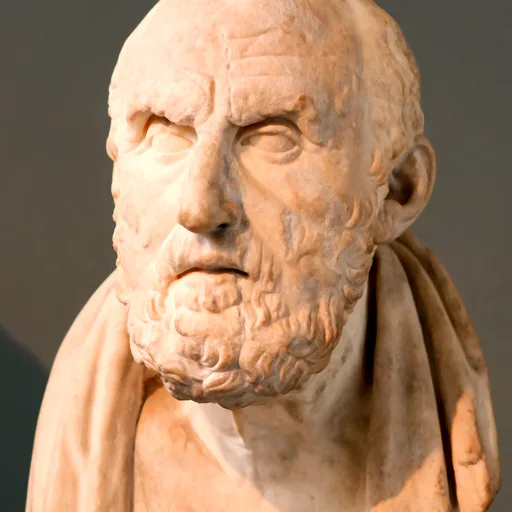
Chrysippus
ソロイ (28 BC)
「If one had the logic of Chrysippus, one would not need the gods.」
Third head of the Stoic school, 3rd century BC
Systematized Stoic philosophy into logic, ethics, and physics across 700+ works
The cognitive model treating passions as 'false judgments' is the very foundation of CBT
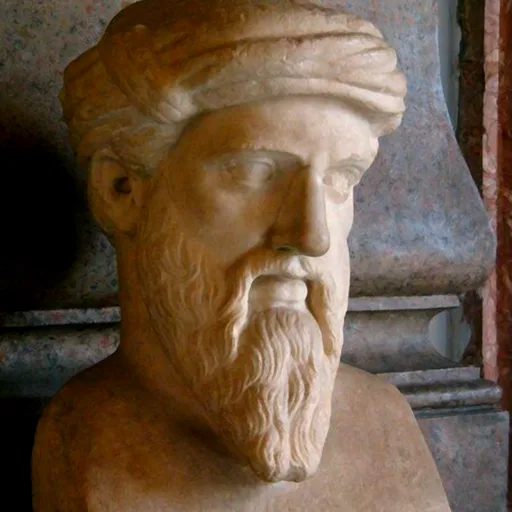
Pythagoras
Samos (58 BC)
「All is number.」
Mathematician and philosopher, 6th century BC
Proclaimed 'all is number' and laid the foundation for a mathematical worldview
The intellectual origin of our data-driven society begins here
Hypatia
東ローマ帝国 (0360)
「Reserve your right to think, for even to think wrongly is better than not to think at all.」
Philosopher and mathematician in 4th-century Alexandria
Led a school transcending sects and was called the last light of ancient intellect
The courage to maintain intellectual independence is essential in our era of social media polarization
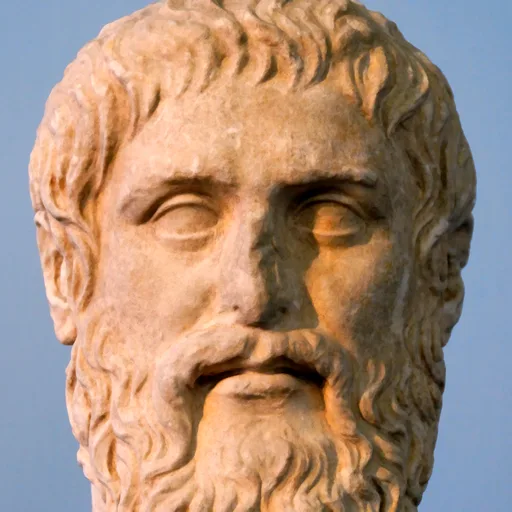
Plato
アテナイ (42 BC)
「The unexamined life is not worth living.」
Philosopher of 5th-century BC Athens
Laid the foundation of Western philosophy with the Theory of Forms and dialogues, and founded the Academy
The allegory of the cave is the origin of thinking free from the 'shadows' of social media
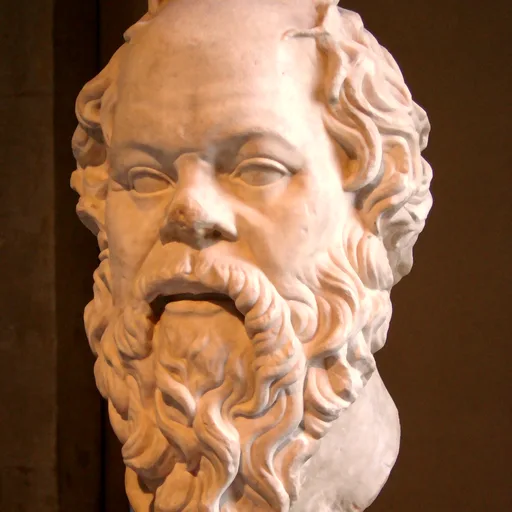
Socrates
アテナイ (46 BC)
「The unexamined life is not worth living.」
Philosopher of 5th-century BC Athens
Made others aware of their ignorance through dialectic and placed 'living well' at the center of philosophy
The attitude of continually asking 'is that really so?' is the prototype of critical thinking
Nagarjuna
(0150)
「Neither ceasing nor arising, neither annihilated nor eternal, neither one nor many, neither coming nor going.」
Mahayana Buddhist monk and philosopher, 2nd-century South India
Systematized the theory of 'emptiness' and founded the Madhyamaka school
The wisdom of releasing attachment to fixed ideas connects to fearless pivoting in business
Laozi
周 (57 BC)
「The Tao that can be spoken is not the eternal Tao. The name that can be named is not the eternal name.」
Founder of Taoist thought, circa 6th century BC
Condensed the philosophy of 'the Way' and 'wu wei' into the 5,000-character 'Tao Te Ching'
The admonition against over-intervention, 'be like water,' resonates with the spirit of agile management
René Descartes
フランス (1596)
「I think, therefore I am.」
17th-century French philosopher and mathematician
Established the starting point of modern philosophy with 'I think, therefore I am'
Methodical doubt is the best defense against fake news and cognitive bias
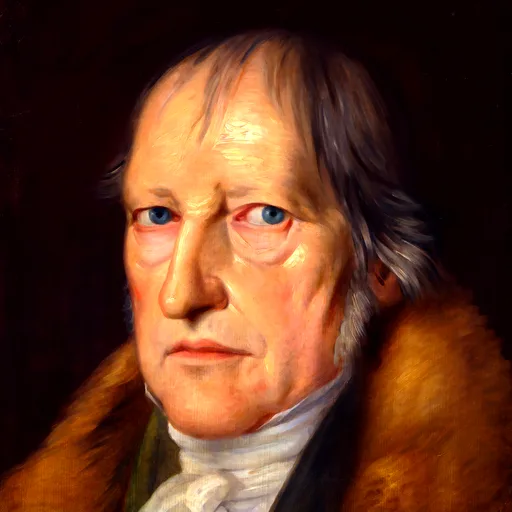
Georg Wilhelm Friedrich Hegel
ヴュルテンベルク王国 (1770)
「World history is progress in the consciousness of freedom.」
German idealist philosopher, 18th-19th century
Depicted history, spirit, and state as dynamic systems through dialectical thinking
The perspective of viewing conflict as a source of innovation connects to M&A strategy
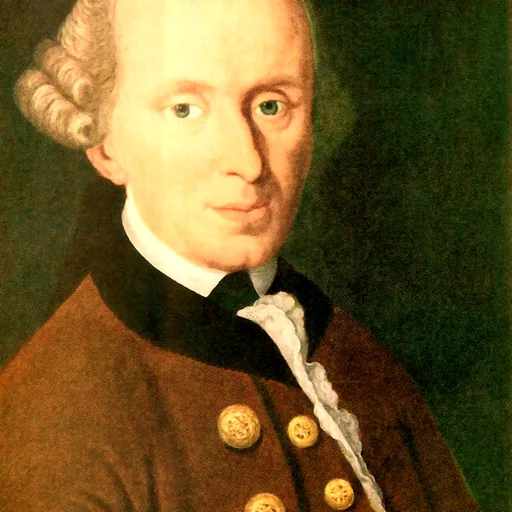
Immanuel Kant
プロイセン王国 (1724)
「Two things fill the mind with ever new and increasing admiration and reverence: the starry heavens above me and the moral law within me.」
18th-century Prussian philosopher
Brought a Copernican revolution to epistemology with the 'Critique of Pure Reason'
Distinguishing what can be known from what cannot elevates the quality of decision-making
Friedrich Nietzsche
プロイセン王国 (1844)
「God is dead! God remains dead! And we have killed him!」
19th-century German philosopher
Shook modern philosophy to its foundations with 'God is dead,' 'Ubermensch,' and 'eternal return'
After the collapse of absolute values, we are challenged to create our own
Simone de Beauvoir
フランス (1908)
「One is not born, but rather becomes, a woman.」
20th-century French existentialist philosopher and feminist
Presented the social construction of gender in 'The Second Sex' and pioneered feminist theory
The constructivist perspective of questioning 'what we take for granted' is the starting point of innovation
Ludwig Wittgenstein
オーストリア (1889)
「Whereof one cannot speak, thereof one must be silent.」
20th-century Austrian-born analytical philosopher
A giant of language philosophy who twice redrew the map of philosophy in early and later periods
Resolving confusion from 'using the same words with different meanings' is the key to team productivity
Champions of Freedom(10)
Marcus Aurelius
古代ローマ (0121)
「Everything depends on your judgment, and that judgment rests with you.」
Philosopher-emperor of the Roman Empire, 2nd century
Authored 'Meditations' and left a practical manual of Stoic philosophy
The insight that 'judgment causes suffering' is the very foundation of CBT
Hypatia
東ローマ帝国 (0360)
「Reserve your right to think, for even to think wrongly is better than not to think at all.」
Philosopher and mathematician in 4th-century Alexandria
Led a school transcending sects and was called the last light of ancient intellect
The courage to maintain intellectual independence is essential in our era of social media polarization
Confucius
魯 (55 BC)
「Do not impose on others what you yourself do not desire.」
Founder of Confucianism, 6th century BC Spring and Autumn period
Built a practical moral system centered on benevolence, ritual, and filial piety, recorded in the Analerta
'Do not do unto others what you would not have done unto you' is the origin of business ethics
René Descartes
フランス (1596)
「I think, therefore I am.」
17th-century French philosopher and mathematician
Established the starting point of modern philosophy with 'I think, therefore I am'
Methodical doubt is the best defense against fake news and cognitive bias
Georg Wilhelm Friedrich Hegel
ヴュルテンベルク王国 (1770)
「World history is progress in the consciousness of freedom.」
German idealist philosopher, 18th-19th century
Depicted history, spirit, and state as dynamic systems through dialectical thinking
The perspective of viewing conflict as a source of innovation connects to M&A strategy
Immanuel Kant
プロイセン王国 (1724)
「Two things fill the mind with ever new and increasing admiration and reverence: the starry heavens above me and the moral law within me.」
18th-century Prussian philosopher
Brought a Copernican revolution to epistemology with the 'Critique of Pure Reason'
Distinguishing what can be known from what cannot elevates the quality of decision-making
Simone de Beauvoir
フランス (1908)
「One is not born, but rather becomes, a woman.」
20th-century French existentialist philosopher and feminist
Presented the social construction of gender in 'The Second Sex' and pioneered feminist theory
The constructivist perspective of questioning 'what we take for granted' is the starting point of innovation
Jean-Paul Sartre
フランス (1905)
「Existence precedes essence.」
20th-century French existentialist philosopher and playwright
Declared 'existence precedes essence' and systematized the philosophy of freedom and responsibility
The career view that present choices, not past attributes, define the self
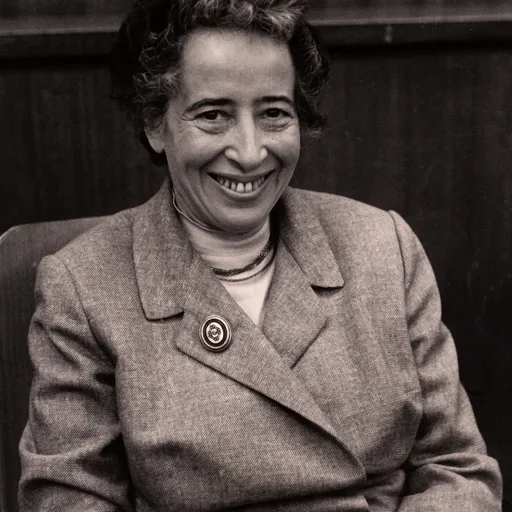
Hannah Arendt
アメリカ合衆国 (1906)
「The sad truth is that most evil is done by people who never make up their minds to be good or evil.」
20th-century German-born political philosopher
Revealed how thoughtlessness enables great evil through the concept of 'the banality of evil'
The habit of thinking for yourself is the last bulwark against organizational misconduct
Steve Jobs
アメリカ合衆国 (1955)
「Stay Hungry. Stay Foolish.」
20th-century American technology entrepreneur
Redefined personal computing with the iPhone and Mac
The focus to decide 'what not to do' becomes the ultimate competitive advantage
Ethical Visionaries(10)
Marcus Aurelius
古代ローマ (0121)
「Everything depends on your judgment, and that judgment rests with you.」
Philosopher-emperor of the Roman Empire, 2nd century
Authored 'Meditations' and left a practical manual of Stoic philosophy
The insight that 'judgment causes suffering' is the very foundation of CBT
Zeno of Citium
キティオン (33 BC)
「Man conquers the world by conquering himself.」
Founder of Stoicism, 4th century BC, from Cyprus
After losing everything, taught that 'virtue is the only good'
The method of distinguishing controllable from uncontrollable is the source of modern resilience
Seneca the Younger
古代ローマ (0 BC)
「It is not that we have a short time to live, but that we waste much of it.」
Stoic philosopher and statesman, 1st-century Roman Empire
Warned against wasting time in 'On the Shortness of Life'
Here lies the prescription for the disposable time stolen by mindless scrolling
Chrysippus
ソロイ (28 BC)
「If one had the logic of Chrysippus, one would not need the gods.」
Third head of the Stoic school, 3rd century BC
Systematized Stoic philosophy into logic, ethics, and physics across 700+ works
The cognitive model treating passions as 'false judgments' is the very foundation of CBT
Aristotle
(38 BC)
「All human beings by nature desire to know.」
Polymath of 4th-century BC ancient Greece
Systematized disciplines from logic to biology and defined the framework of Western knowledge
'The golden mean' and 'practical wisdom' remain uniquely human judgment that even AI cannot automate
Socrates
アテナイ (46 BC)
「The unexamined life is not worth living.」
Philosopher of 5th-century BC Athens
Made others aware of their ignorance through dialectic and placed 'living well' at the center of philosophy
The attitude of continually asking 'is that really so?' is the prototype of critical thinking
Confucius
魯 (55 BC)
「Do not impose on others what you yourself do not desire.」
Founder of Confucianism, 6th century BC Spring and Autumn period
Built a practical moral system centered on benevolence, ritual, and filial piety, recorded in the Analerta
'Do not do unto others what you would not have done unto you' is the origin of business ethics
Immanuel Kant
プロイセン王国 (1724)
「Two things fill the mind with ever new and increasing admiration and reverence: the starry heavens above me and the moral law within me.」
18th-century Prussian philosopher
Brought a Copernican revolution to epistemology with the 'Critique of Pure Reason'
Distinguishing what can be known from what cannot elevates the quality of decision-making
Simone de Beauvoir
フランス (1908)
「One is not born, but rather becomes, a woman.」
20th-century French existentialist philosopher and feminist
Presented the social construction of gender in 'The Second Sex' and pioneered feminist theory
The constructivist perspective of questioning 'what we take for granted' is the starting point of innovation
Hannah Arendt
アメリカ合衆国 (1906)
「The sad truth is that most evil is done by people who never make up their minds to be good or evil.」
20th-century German-born political philosopher
Revealed how thoughtlessness enables great evil through the concept of 'the banality of evil'
The habit of thinking for yourself is the last bulwark against organizational misconduct
Investment Giants(12)
Kazuo Inamori
日本 (1932)
「The result of life and work = Attitude x Effort x Ability.」
Showa-Heisei era serial entrepreneur and management philosopher
Founded Kyocera and KDDI and turned around JAL in just two years
The self-interrogation 'is my motive virtuous?' is the core of altruistic management philosophy
Howard Marks
「The most important thing is being attentive to cycles.」
20th-century American distressed debt investor and thinker
Co-founded Oaktree and championed the importance of 'second-level thinking'
The habit of always asking 'is it already priced in?' is the key
Benjamin Graham
アメリカ合衆国 (1894)
「In the short run, the market is a voting machine but in the long run, it is a weighing machine.」
Father of value investing, 20th-century America
Systematized rational investing through 'margin of safety' and 'Mr. Market'
An intellectual framework for tuning out market noise is the first step in investing
Warren Buffett
アメリカ合衆国 (1930)
「Rule No. 1: Never lose money. Rule No. 2: Never forget Rule No. 1.」
20th-century American investor, the 'Oracle of Omaha'
Led Berkshire Hathaway to ~20% compound annual growth over half a century
The discipline of competing only within your 'circle of competence' is the core of long-term investing
Charlie Munger
アメリカ合衆国 (1924)
「Invert, always invert.」
20th-century American investor and intellectual giant
Vice Chairman of Berkshire who championed 'mental models' and multidisciplinary thinking
Those who judge by a single metric become 'a man with only a hammer'
George Soros
ハンガリー (1930)
「Markets are constantly in a state of uncertainty and flux, and money is made by discounting the obvious and betting on the unexpected.」
20th-century Hungarian-born investor and philanthropist
Called 'the man who broke the Bank of England' for his pound short
Reflexivity theory is essential reading for an era where social media amplifies market psychology
Ray Dalio
アメリカ合衆国 (1949)
「Pain plus reflection equals progress.」
20th-century American hedge fund founder and thinker
Founded Bridgewater and established risk parity strategy and principled management
The recognition that 'the economy has seasons' prevents panic selling during crashes
Peter Lynch
アメリカ合衆国 (1944)
「Invest in what you know.」
Legendary 20th-century American fund manager
Achieved an average annual return of 29.2% at the Magellan Fund
'Invest in what you know' is a compass for the age of information overload
André Kostolany
ハンガリー (1906)
「Buy stocks, take sleeping pills, and stop looking at the papers. After many years you will see: you are rich.」
20th-century European speculative philosopher
Explained crowd psychology and market cycles through 'the egg theory'
Develops the eye to discern which stage of social media hype we are in
Jesse Livermore
アメリカ合衆国 (1877)
「There is nothing new in Wall Street. There can't be because speculation is as old as the hills.」
Legendary American trader, 19th-20th century
The 'Boy Plunger' who made ~$100 million shorting the crash
The value of 'sitting tight' resonates most in an era of impulse trading
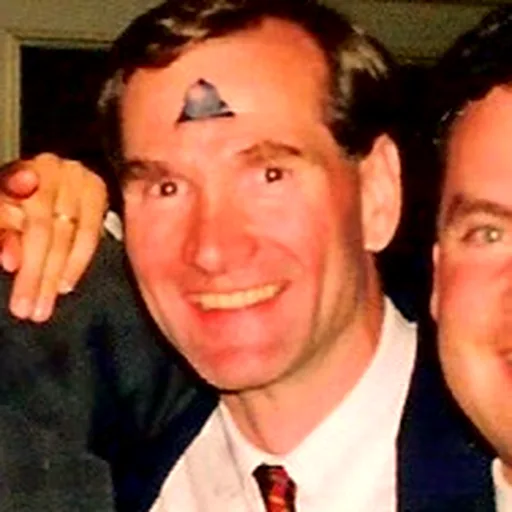
David F. Swensen
アメリカ合衆国 (1954)
「The most important investment decision you will make is how to allocate your assets.」
20th-century American institutional investment innovator
Grew Yale's endowment from $1.3B to $31.2B over 36 years
Asset allocation is the single most important factor determining returns
John C. Bogle
アメリカ合衆国 (1929)
「Don't look for the needle in the haystack. Just buy the haystack!」
Father of the index fund, 20th-century America
Founded Vanguard and democratized low-cost, long-term, diversified investing
A 0.1% difference in fees can mean millions over 30 years
Business Titans(10)
John D. Rockefeller
アメリカ合衆国 (1839)
「Don't be afraid to give up the good to go for the great.」
19th-century American oil magnate and philanthropist
Controlled 90% of U.S. oil supply through Standard Oil
The vision to oversee the entire value chain is the prototype of platform management
Andrew Carnegie
アメリカ合衆国 (1835)
「The man who dies rich dies disgraced.」
19th-century Scottish-born steel magnate and philanthropist
Dominated the U.S. steel industry and practiced systematic philanthropy through 'The Gospel of Wealth'
Per-ton cost visibility is the prototype of unit economics management
Henry Ford
アメリカ合衆国 (1863)
「Whether you think you can, or you think you can't -- you're right.」
Revolutionary of the American automobile industry, 19th-20th century
Established the mass production and mass consumption model with the Model T and moving assembly line
The idea of creating the market itself through disruptive pricing is the prototype of the freemium model
Jack Ma
中華人民共和国 (1964)
「Today is hard, tomorrow will be worse, but the day after tomorrow will be sunshine.」
20th-century Chinese internet entrepreneur
Founded Alibaba and built China's e-commerce and digital payment ecosystem
Entering from outside the field turns user perspective into a competitive weapon
Kōnosuke Matsushita
日本 (1894)
「The manufacturer's mission is to overcome poverty by producing goods in such abundance that they become as plentiful and cheap as tap water.」
Meiji-Showa era industrialist and management thinker
Built Panasonic into a global enterprise and was called 'the God of Management'
The 'tap water philosophy' is the intellectual prototype of the freemium model
Kazuo Inamori
日本 (1932)
「The result of life and work = Attitude x Effort x Ability.」
Showa-Heisei era serial entrepreneur and management philosopher
Founded Kyocera and KDDI and turned around JAL in just two years
The self-interrogation 'is my motive virtuous?' is the core of altruistic management philosophy
Walt Disney
アメリカ合衆国 (1901)
「All our dreams can come true, if we have the courage to pursue them.」
20th-century American entertainment entrepreneur
Industrialized storytelling experiences with Mickey Mouse and Disneyland
The commitment to owning intellectual property in-house is the core of modern content business
Li Ka-shing
カナダ (1928)
「Vision is perhaps our greatest strength... it has kept us alive to the power and continuity of thought.」
20th-century Hong Kong industrialist and investor
Built one of Asia's largest conglomerates from a plastic flower factory
The discipline of buying in crisis and selling in prosperity is the essence of long-term investing
J. P. Morgan
アメリカ合衆国 (1837)
「A man always has two reasons for the things he does -- a good one, and the real one.」
19th-century American financier and banker
Resolved the 1907 Panic through personal credibility and catalyzed the Federal Reserve's creation
The quality and trustworthiness of management remains the core of investment decisions even in the AI era
John C. Bogle
アメリカ合衆国 (1929)
「Don't look for the needle in the haystack. Just buy the haystack!」
Father of the index fund, 20th-century America
Founded Vanguard and democratized low-cost, long-term, diversified investing
A 0.1% difference in fees can mean millions over 30 years
Achievers(17)
Marcus Aurelius
古代ローマ (0121)
「Everything depends on your judgment, and that judgment rests with you.」
Philosopher-emperor of the Roman Empire, 2nd century
Authored 'Meditations' and left a practical manual of Stoic philosophy
The insight that 'judgment causes suffering' is the very foundation of CBT
Aristotle
(38 BC)
「All human beings by nature desire to know.」
Polymath of 4th-century BC ancient Greece
Systematized disciplines from logic to biology and defined the framework of Western knowledge
'The golden mean' and 'practical wisdom' remain uniquely human judgment that even AI cannot automate
Confucius
魯 (55 BC)
「Do not impose on others what you yourself do not desire.」
Founder of Confucianism, 6th century BC Spring and Autumn period
Built a practical moral system centered on benevolence, ritual, and filial piety, recorded in the Analerta
'Do not do unto others what you would not have done unto you' is the origin of business ethics
Laozi
周 (57 BC)
「The Tao that can be spoken is not the eternal Tao. The name that can be named is not the eternal name.」
Founder of Taoist thought, circa 6th century BC
Condensed the philosophy of 'the Way' and 'wu wei' into the 5,000-character 'Tao Te Ching'
The admonition against over-intervention, 'be like water,' resonates with the spirit of agile management
Simone de Beauvoir
フランス (1908)
「One is not born, but rather becomes, a woman.」
20th-century French existentialist philosopher and feminist
Presented the social construction of gender in 'The Second Sex' and pioneered feminist theory
The constructivist perspective of questioning 'what we take for granted' is the starting point of innovation
John D. Rockefeller
アメリカ合衆国 (1839)
「Don't be afraid to give up the good to go for the great.」
19th-century American oil magnate and philanthropist
Controlled 90% of U.S. oil supply through Standard Oil
The vision to oversee the entire value chain is the prototype of platform management
Thomas Edison
アメリカ合衆国 (1847)
「Genius is one percent inspiration and ninety-nine percent perspiration.」
19th-century American inventor and entrepreneur
Commercialized the light bulb and electrical systems and established organized R&D
The perspective of designing the entire ecosystem, not just the product, is the key to business
Henry Ford
アメリカ合衆国 (1863)
「Whether you think you can, or you think you can't -- you're right.」
Revolutionary of the American automobile industry, 19th-20th century
Established the mass production and mass consumption model with the Model T and moving assembly line
The idea of creating the market itself through disruptive pricing is the prototype of the freemium model
Steve Jobs
アメリカ合衆国 (1955)
「Stay Hungry. Stay Foolish.」
20th-century American technology entrepreneur
Redefined personal computing with the iPhone and Mac
The focus to decide 'what not to do' becomes the ultimate competitive advantage
Sakichi Toyoda
日本 (1867)
「Open the shoji screen and look outside; the world is vast.」
Meiji-early Showa inventor and industrialist
Invented the automatic loom and laid the foundation for the Toyota Group
Auto-stop upon anomaly detection ('jidoka') connects to AI-era risk management
Kōnosuke Matsushita
日本 (1894)
「The manufacturer's mission is to overcome poverty by producing goods in such abundance that they become as plentiful and cheap as tap water.」
Meiji-Showa era industrialist and management thinker
Built Panasonic into a global enterprise and was called 'the God of Management'
The 'tap water philosophy' is the intellectual prototype of the freemium model
Soichiro Honda
日本 (1906)
「Only about one percent of my work truly succeeded. Ninety-nine percent was failure. That one percent made me who I am.」
Showa-era engineer-entrepreneur and Honda founder
Conquered the Isle of Man TT and broke through the impossible with the CVCC engine
A pioneer of division of labor: focus on the founder's strengths and delegate weaknesses to a trusted partner
Kazuo Inamori
日本 (1932)
「The result of life and work = Attitude x Effort x Ability.」
Showa-Heisei era serial entrepreneur and management philosopher
Founded Kyocera and KDDI and turned around JAL in just two years
The self-interrogation 'is my motive virtuous?' is the core of altruistic management philosophy
Walt Disney
アメリカ合衆国 (1901)
「All our dreams can come true, if we have the courage to pursue them.」
20th-century American entertainment entrepreneur
Industrialized storytelling experiences with Mickey Mouse and Disneyland
The commitment to owning intellectual property in-house is the core of modern content business
Charlie Munger
アメリカ合衆国 (1924)
「Invert, always invert.」
20th-century American investor and intellectual giant
Vice Chairman of Berkshire who championed 'mental models' and multidisciplinary thinking
Those who judge by a single metric become 'a man with only a hammer'
J. P. Morgan
アメリカ合衆国 (1837)
「A man always has two reasons for the things he does -- a good one, and the real one.」
19th-century American financier and banker
Resolved the 1907 Panic through personal credibility and catalyzed the Federal Reserve's creation
The quality and trustworthiness of management remains the core of investment decisions even in the AI era
John C. Bogle
アメリカ合衆国 (1929)
「Don't look for the needle in the haystack. Just buy the haystack!」
Father of the index fund, 20th-century America
Founded Vanguard and democratized low-cost, long-term, diversified investing
A 0.1% difference in fees can mean millions over 30 years
Lifelong Learners(14)
Seneca the Younger
古代ローマ (0 BC)
「It is not that we have a short time to live, but that we waste much of it.」
Stoic philosopher and statesman, 1st-century Roman Empire
Warned against wasting time in 'On the Shortness of Life'
Here lies the prescription for the disposable time stolen by mindless scrolling
Hypatia
東ローマ帝国 (0360)
「Reserve your right to think, for even to think wrongly is better than not to think at all.」
Philosopher and mathematician in 4th-century Alexandria
Led a school transcending sects and was called the last light of ancient intellect
The courage to maintain intellectual independence is essential in our era of social media polarization
Mencius
邾 (37 BC)
「The feeling of compassion is the sprout of benevolence; shame, of righteousness; deference, of propriety; right and wrong, of wisdom.」
Confucian sage and 'Second Sage', 4th century BC Warring States
Systematized the theory of innate goodness and advocated benevolent governance
The belief in innate seeds of goodness is the Eastern origin of Theory Y management
Confucius
魯 (55 BC)
「Do not impose on others what you yourself do not desire.」
Founder of Confucianism, 6th century BC Spring and Autumn period
Built a practical moral system centered on benevolence, ritual, and filial piety, recorded in the Analerta
'Do not do unto others what you would not have done unto you' is the origin of business ethics
Laozi
周 (57 BC)
「The Tao that can be spoken is not the eternal Tao. The name that can be named is not the eternal name.」
Founder of Taoist thought, circa 6th century BC
Condensed the philosophy of 'the Way' and 'wu wei' into the 5,000-character 'Tao Te Ching'
The admonition against over-intervention, 'be like water,' resonates with the spirit of agile management
Friedrich Nietzsche
プロイセン王国 (1844)
「God is dead! God remains dead! And we have killed him!」
19th-century German philosopher
Shook modern philosophy to its foundations with 'God is dead,' 'Ubermensch,' and 'eternal return'
After the collapse of absolute values, we are challenged to create our own
Andrew Carnegie
アメリカ合衆国 (1835)
「The man who dies rich dies disgraced.」
19th-century Scottish-born steel magnate and philanthropist
Dominated the U.S. steel industry and practiced systematic philanthropy through 'The Gospel of Wealth'
Per-ton cost visibility is the prototype of unit economics management
Shibusawa Eiichi
日本 (1840)
「What is the root of wealth? Benevolence and moral principle. Unless grounded in right reason, wealth cannot endure.」
Bakumatsu-Taisho era industrialist, 'Father of Japanese Capitalism'
Involved in founding 500+ companies and advocated the unity of morality and economy in 'The Analects and the Abacus'
The unity of profit and ethics is the origin of purpose-driven management in the ESG era
Henry Ford
アメリカ合衆国 (1863)
「Whether you think you can, or you think you can't -- you're right.」
Revolutionary of the American automobile industry, 19th-20th century
Established the mass production and mass consumption model with the Model T and moving assembly line
The idea of creating the market itself through disruptive pricing is the prototype of the freemium model
Bill Gates
アメリカ合衆国 (1955)
「Your most unhappy customers are your greatest source of learning.」
20th-century American technology entrepreneur and philanthropist
Co-founded Microsoft and drove the PC revolution by dominating the OS market
Ecosystem design is the key to competitive advantage in platform strategy
Kazuo Inamori
日本 (1932)
「The result of life and work = Attitude x Effort x Ability.」
Showa-Heisei era serial entrepreneur and management philosopher
Founded Kyocera and KDDI and turned around JAL in just two years
The self-interrogation 'is my motive virtuous?' is the core of altruistic management philosophy
Walt Disney
アメリカ合衆国 (1901)
「All our dreams can come true, if we have the courage to pursue them.」
20th-century American entertainment entrepreneur
Industrialized storytelling experiences with Mickey Mouse and Disneyland
The commitment to owning intellectual property in-house is the core of modern content business
Charlie Munger
アメリカ合衆国 (1924)
「Invert, always invert.」
20th-century American investor and intellectual giant
Vice Chairman of Berkshire who championed 'mental models' and multidisciplinary thinking
Those who judge by a single metric become 'a man with only a hammer'
Ray Dalio
アメリカ合衆国 (1949)
「Pain plus reflection equals progress.」
20th-century American hedge fund founder and thinker
Founded Bridgewater and established risk parity strategy and principled management
The recognition that 'the economy has seasons' prevents panic selling during crashes
Masters of Self-Reflection(21)
Marcus Aurelius
古代ローマ (0121)
「Everything depends on your judgment, and that judgment rests with you.」
Philosopher-emperor of the Roman Empire, 2nd century
Authored 'Meditations' and left a practical manual of Stoic philosophy
The insight that 'judgment causes suffering' is the very foundation of CBT
Zeno of Citium
キティオン (33 BC)
「Man conquers the world by conquering himself.」
Founder of Stoicism, 4th century BC, from Cyprus
After losing everything, taught that 'virtue is the only good'
The method of distinguishing controllable from uncontrollable is the source of modern resilience
Plato
アテナイ (42 BC)
「The unexamined life is not worth living.」
Philosopher of 5th-century BC Athens
Laid the foundation of Western philosophy with the Theory of Forms and dialogues, and founded the Academy
The allegory of the cave is the origin of thinking free from the 'shadows' of social media
Socrates
アテナイ (46 BC)
「The unexamined life is not worth living.」
Philosopher of 5th-century BC Athens
Made others aware of their ignorance through dialectic and placed 'living well' at the center of philosophy
The attitude of continually asking 'is that really so?' is the prototype of critical thinking
Mencius
邾 (37 BC)
「The feeling of compassion is the sprout of benevolence; shame, of righteousness; deference, of propriety; right and wrong, of wisdom.」
Confucian sage and 'Second Sage', 4th century BC Warring States
Systematized the theory of innate goodness and advocated benevolent governance
The belief in innate seeds of goodness is the Eastern origin of Theory Y management
Confucius
魯 (55 BC)
「Do not impose on others what you yourself do not desire.」
Founder of Confucianism, 6th century BC Spring and Autumn period
Built a practical moral system centered on benevolence, ritual, and filial piety, recorded in the Analerta
'Do not do unto others what you would not have done unto you' is the origin of business ethics
Laozi
周 (57 BC)
「The Tao that can be spoken is not the eternal Tao. The name that can be named is not the eternal name.」
Founder of Taoist thought, circa 6th century BC
Condensed the philosophy of 'the Way' and 'wu wei' into the 5,000-character 'Tao Te Ching'
The admonition against over-intervention, 'be like water,' resonates with the spirit of agile management
Simone de Beauvoir
フランス (1908)
「One is not born, but rather becomes, a woman.」
20th-century French existentialist philosopher and feminist
Presented the social construction of gender in 'The Second Sex' and pioneered feminist theory
The constructivist perspective of questioning 'what we take for granted' is the starting point of innovation
Steve Jobs
アメリカ合衆国 (1955)
「Stay Hungry. Stay Foolish.」
20th-century American technology entrepreneur
Redefined personal computing with the iPhone and Mac
The focus to decide 'what not to do' becomes the ultimate competitive advantage
Bill Gates
アメリカ合衆国 (1955)
「Your most unhappy customers are your greatest source of learning.」
20th-century American technology entrepreneur and philanthropist
Co-founded Microsoft and drove the PC revolution by dominating the OS market
Ecosystem design is the key to competitive advantage in platform strategy
Kōnosuke Matsushita
日本 (1894)
「The manufacturer's mission is to overcome poverty by producing goods in such abundance that they become as plentiful and cheap as tap water.」
Meiji-Showa era industrialist and management thinker
Built Panasonic into a global enterprise and was called 'the God of Management'
The 'tap water philosophy' is the intellectual prototype of the freemium model
Kazuo Inamori
日本 (1932)
「The result of life and work = Attitude x Effort x Ability.」
Showa-Heisei era serial entrepreneur and management philosopher
Founded Kyocera and KDDI and turned around JAL in just two years
The self-interrogation 'is my motive virtuous?' is the core of altruistic management philosophy
Walt Disney
アメリカ合衆国 (1901)
「All our dreams can come true, if we have the courage to pursue them.」
20th-century American entertainment entrepreneur
Industrialized storytelling experiences with Mickey Mouse and Disneyland
The commitment to owning intellectual property in-house is the core of modern content business
Li Ka-shing
カナダ (1928)
「Vision is perhaps our greatest strength... it has kept us alive to the power and continuity of thought.」
20th-century Hong Kong industrialist and investor
Built one of Asia's largest conglomerates from a plastic flower factory
The discipline of buying in crisis and selling in prosperity is the essence of long-term investing
Benjamin Graham
アメリカ合衆国 (1894)
「In the short run, the market is a voting machine but in the long run, it is a weighing machine.」
Father of value investing, 20th-century America
Systematized rational investing through 'margin of safety' and 'Mr. Market'
An intellectual framework for tuning out market noise is the first step in investing
Warren Buffett
アメリカ合衆国 (1930)
「Rule No. 1: Never lose money. Rule No. 2: Never forget Rule No. 1.」
20th-century American investor, the 'Oracle of Omaha'
Led Berkshire Hathaway to ~20% compound annual growth over half a century
The discipline of competing only within your 'circle of competence' is the core of long-term investing
George Soros
ハンガリー (1930)
「Markets are constantly in a state of uncertainty and flux, and money is made by discounting the obvious and betting on the unexpected.」
20th-century Hungarian-born investor and philanthropist
Called 'the man who broke the Bank of England' for his pound short
Reflexivity theory is essential reading for an era where social media amplifies market psychology
Ray Dalio
アメリカ合衆国 (1949)
「Pain plus reflection equals progress.」
20th-century American hedge fund founder and thinker
Founded Bridgewater and established risk parity strategy and principled management
The recognition that 'the economy has seasons' prevents panic selling during crashes
Peter Lynch
アメリカ合衆国 (1944)
「Invest in what you know.」
Legendary 20th-century American fund manager
Achieved an average annual return of 29.2% at the Magellan Fund
'Invest in what you know' is a compass for the age of information overload
Jesse Livermore
アメリカ合衆国 (1877)
「There is nothing new in Wall Street. There can't be because speculation is as old as the hills.」
Legendary American trader, 19th-20th century
The 'Boy Plunger' who made ~$100 million shorting the crash
The value of 'sitting tight' resonates most in an era of impulse trading
John C. Bogle
アメリカ合衆国 (1929)
「Don't look for the needle in the haystack. Just buy the haystack!」
Father of the index fund, 20th-century America
Founded Vanguard and democratized low-cost, long-term, diversified investing
A 0.1% difference in fees can mean millions over 30 years
Masters of Discipline(5)
Zeno of Citium
キティオン (33 BC)
「Man conquers the world by conquering himself.」
Founder of Stoicism, 4th century BC, from Cyprus
After losing everything, taught that 'virtue is the only good'
The method of distinguishing controllable from uncontrollable is the source of modern resilience
Andrew Carnegie
アメリカ合衆国 (1835)
「The man who dies rich dies disgraced.」
19th-century Scottish-born steel magnate and philanthropist
Dominated the U.S. steel industry and practiced systematic philanthropy through 'The Gospel of Wealth'
Per-ton cost visibility is the prototype of unit economics management
Benjamin Graham
アメリカ合衆国 (1894)
「In the short run, the market is a voting machine but in the long run, it is a weighing machine.」
Father of value investing, 20th-century America
Systematized rational investing through 'margin of safety' and 'Mr. Market'
An intellectual framework for tuning out market noise is the first step in investing
Peter Lynch
アメリカ合衆国 (1944)
「Invest in what you know.」
Legendary 20th-century American fund manager
Achieved an average annual return of 29.2% at the Magellan Fund
'Invest in what you know' is a compass for the age of information overload
Jesse Livermore
アメリカ合衆国 (1877)
「There is nothing new in Wall Street. There can't be because speculation is as old as the hills.」
Legendary American trader, 19th-20th century
The 'Boy Plunger' who made ~$100 million shorting the crash
The value of 'sitting tight' resonates most in an era of impulse trading
Figures Who Moved Hearts(12)
Zeno of Citium
キティオン (33 BC)
「Man conquers the world by conquering himself.」
Founder of Stoicism, 4th century BC, from Cyprus
After losing everything, taught that 'virtue is the only good'
The method of distinguishing controllable from uncontrollable is the source of modern resilience
Chrysippus
ソロイ (28 BC)
「If one had the logic of Chrysippus, one would not need the gods.」
Third head of the Stoic school, 3rd century BC
Systematized Stoic philosophy into logic, ethics, and physics across 700+ works
The cognitive model treating passions as 'false judgments' is the very foundation of CBT
Pythagoras
Samos (58 BC)
「All is number.」
Mathematician and philosopher, 6th century BC
Proclaimed 'all is number' and laid the foundation for a mathematical worldview
The intellectual origin of our data-driven society begins here
Hypatia
東ローマ帝国 (0360)
「Reserve your right to think, for even to think wrongly is better than not to think at all.」
Philosopher and mathematician in 4th-century Alexandria
Led a school transcending sects and was called the last light of ancient intellect
The courage to maintain intellectual independence is essential in our era of social media polarization
Aristotle
(38 BC)
「All human beings by nature desire to know.」
Polymath of 4th-century BC ancient Greece
Systematized disciplines from logic to biology and defined the framework of Western knowledge
'The golden mean' and 'practical wisdom' remain uniquely human judgment that even AI cannot automate
Socrates
アテナイ (46 BC)
「The unexamined life is not worth living.」
Philosopher of 5th-century BC Athens
Made others aware of their ignorance through dialectic and placed 'living well' at the center of philosophy
The attitude of continually asking 'is that really so?' is the prototype of critical thinking
Mencius
邾 (37 BC)
「The feeling of compassion is the sprout of benevolence; shame, of righteousness; deference, of propriety; right and wrong, of wisdom.」
Confucian sage and 'Second Sage', 4th century BC Warring States
Systematized the theory of innate goodness and advocated benevolent governance
The belief in innate seeds of goodness is the Eastern origin of Theory Y management
Confucius
魯 (55 BC)
「Do not impose on others what you yourself do not desire.」
Founder of Confucianism, 6th century BC Spring and Autumn period
Built a practical moral system centered on benevolence, ritual, and filial piety, recorded in the Analerta
'Do not do unto others what you would not have done unto you' is the origin of business ethics
Immanuel Kant
プロイセン王国 (1724)
「Two things fill the mind with ever new and increasing admiration and reverence: the starry heavens above me and the moral law within me.」
18th-century Prussian philosopher
Brought a Copernican revolution to epistemology with the 'Critique of Pure Reason'
Distinguishing what can be known from what cannot elevates the quality of decision-making
Simone de Beauvoir
フランス (1908)
「One is not born, but rather becomes, a woman.」
20th-century French existentialist philosopher and feminist
Presented the social construction of gender in 'The Second Sex' and pioneered feminist theory
The constructivist perspective of questioning 'what we take for granted' is the starting point of innovation
Hannah Arendt
アメリカ合衆国 (1906)
「The sad truth is that most evil is done by people who never make up their minds to be good or evil.」
20th-century German-born political philosopher
Revealed how thoughtlessness enables great evil through the concept of 'the banality of evil'
The habit of thinking for yourself is the last bulwark against organizational misconduct
Shibusawa Eiichi
日本 (1840)
「What is the root of wealth? Benevolence and moral principle. Unless grounded in right reason, wealth cannot endure.」
Bakumatsu-Taisho era industrialist, 'Father of Japanese Capitalism'
Involved in founding 500+ companies and advocated the unity of morality and economy in 'The Analects and the Abacus'
The unity of profit and ethics is the origin of purpose-driven management in the ESG era
Patient Visionaries(13)
Aristotle
(38 BC)
「All human beings by nature desire to know.」
Polymath of 4th-century BC ancient Greece
Systematized disciplines from logic to biology and defined the framework of Western knowledge
'The golden mean' and 'practical wisdom' remain uniquely human judgment that even AI cannot automate
John D. Rockefeller
アメリカ合衆国 (1839)
「Don't be afraid to give up the good to go for the great.」
19th-century American oil magnate and philanthropist
Controlled 90% of U.S. oil supply through Standard Oil
The vision to oversee the entire value chain is the prototype of platform management
Thomas Edison
アメリカ合衆国 (1847)
「Genius is one percent inspiration and ninety-nine percent perspiration.」
19th-century American inventor and entrepreneur
Commercialized the light bulb and electrical systems and established organized R&D
The perspective of designing the entire ecosystem, not just the product, is the key to business
Jack Ma
中華人民共和国 (1964)
「Today is hard, tomorrow will be worse, but the day after tomorrow will be sunshine.」
20th-century Chinese internet entrepreneur
Founded Alibaba and built China's e-commerce and digital payment ecosystem
Entering from outside the field turns user perspective into a competitive weapon
Kōnosuke Matsushita
日本 (1894)
「The manufacturer's mission is to overcome poverty by producing goods in such abundance that they become as plentiful and cheap as tap water.」
Meiji-Showa era industrialist and management thinker
Built Panasonic into a global enterprise and was called 'the God of Management'
The 'tap water philosophy' is the intellectual prototype of the freemium model
Howard Marks
「The most important thing is being attentive to cycles.」
20th-century American distressed debt investor and thinker
Co-founded Oaktree and championed the importance of 'second-level thinking'
The habit of always asking 'is it already priced in?' is the key
Benjamin Graham
アメリカ合衆国 (1894)
「In the short run, the market is a voting machine but in the long run, it is a weighing machine.」
Father of value investing, 20th-century America
Systematized rational investing through 'margin of safety' and 'Mr. Market'
An intellectual framework for tuning out market noise is the first step in investing
Warren Buffett
アメリカ合衆国 (1930)
「Rule No. 1: Never lose money. Rule No. 2: Never forget Rule No. 1.」
20th-century American investor, the 'Oracle of Omaha'
Led Berkshire Hathaway to ~20% compound annual growth over half a century
The discipline of competing only within your 'circle of competence' is the core of long-term investing
Charlie Munger
アメリカ合衆国 (1924)
「Invert, always invert.」
20th-century American investor and intellectual giant
Vice Chairman of Berkshire who championed 'mental models' and multidisciplinary thinking
Those who judge by a single metric become 'a man with only a hammer'
Peter Lynch
アメリカ合衆国 (1944)
「Invest in what you know.」
Legendary 20th-century American fund manager
Achieved an average annual return of 29.2% at the Magellan Fund
'Invest in what you know' is a compass for the age of information overload
André Kostolany
ハンガリー (1906)
「Buy stocks, take sleeping pills, and stop looking at the papers. After many years you will see: you are rich.」
20th-century European speculative philosopher
Explained crowd psychology and market cycles through 'the egg theory'
Develops the eye to discern which stage of social media hype we are in
Jesse Livermore
アメリカ合衆国 (1877)
「There is nothing new in Wall Street. There can't be because speculation is as old as the hills.」
Legendary American trader, 19th-20th century
The 'Boy Plunger' who made ~$100 million shorting the crash
The value of 'sitting tight' resonates most in an era of impulse trading
John C. Bogle
アメリカ合衆国 (1929)
「Don't look for the needle in the haystack. Just buy the haystack!」
Father of the index fund, 20th-century America
Founded Vanguard and democratized low-cost, long-term, diversified investing
A 0.1% difference in fees can mean millions over 30 years
Risk Takers(12)
Epictetus
古代ローマ (0050)
「Some things are within our power, while others are not.」
Stoic philosopher and former slave, 1st-century Roman Empire
Taught the distinction between controllable and uncontrollable in 'Discourses' and 'Enchiridion'
The dichotomy of control is the origin of stress management and CBT
Seneca the Younger
古代ローマ (0 BC)
「It is not that we have a short time to live, but that we waste much of it.」
Stoic philosopher and statesman, 1st-century Roman Empire
Warned against wasting time in 'On the Shortness of Life'
Here lies the prescription for the disposable time stolen by mindless scrolling
Kazuo Inamori
日本 (1932)
「The result of life and work = Attitude x Effort x Ability.」
Showa-Heisei era serial entrepreneur and management philosopher
Founded Kyocera and KDDI and turned around JAL in just two years
The self-interrogation 'is my motive virtuous?' is the core of altruistic management philosophy
Howard Marks
「The most important thing is being attentive to cycles.」
20th-century American distressed debt investor and thinker
Co-founded Oaktree and championed the importance of 'second-level thinking'
The habit of always asking 'is it already priced in?' is the key
Benjamin Graham
アメリカ合衆国 (1894)
「In the short run, the market is a voting machine but in the long run, it is a weighing machine.」
Father of value investing, 20th-century America
Systematized rational investing through 'margin of safety' and 'Mr. Market'
An intellectual framework for tuning out market noise is the first step in investing
Warren Buffett
アメリカ合衆国 (1930)
「Rule No. 1: Never lose money. Rule No. 2: Never forget Rule No. 1.」
20th-century American investor, the 'Oracle of Omaha'
Led Berkshire Hathaway to ~20% compound annual growth over half a century
The discipline of competing only within your 'circle of competence' is the core of long-term investing
George Soros
ハンガリー (1930)
「Markets are constantly in a state of uncertainty and flux, and money is made by discounting the obvious and betting on the unexpected.」
20th-century Hungarian-born investor and philanthropist
Called 'the man who broke the Bank of England' for his pound short
Reflexivity theory is essential reading for an era where social media amplifies market psychology
Ray Dalio
アメリカ合衆国 (1949)
「Pain plus reflection equals progress.」
20th-century American hedge fund founder and thinker
Founded Bridgewater and established risk parity strategy and principled management
The recognition that 'the economy has seasons' prevents panic selling during crashes
Peter Lynch
アメリカ合衆国 (1944)
「Invest in what you know.」
Legendary 20th-century American fund manager
Achieved an average annual return of 29.2% at the Magellan Fund
'Invest in what you know' is a compass for the age of information overload
André Kostolany
ハンガリー (1906)
「Buy stocks, take sleeping pills, and stop looking at the papers. After many years you will see: you are rich.」
20th-century European speculative philosopher
Explained crowd psychology and market cycles through 'the egg theory'
Develops the eye to discern which stage of social media hype we are in
Jesse Livermore
アメリカ合衆国 (1877)
「There is nothing new in Wall Street. There can't be because speculation is as old as the hills.」
Legendary American trader, 19th-20th century
The 'Boy Plunger' who made ~$100 million shorting the crash
The value of 'sitting tight' resonates most in an era of impulse trading
John C. Bogle
アメリカ合衆国 (1929)
「Don't look for the needle in the haystack. Just buy the haystack!」
Father of the index fund, 20th-century America
Founded Vanguard and democratized low-cost, long-term, diversified investing
A 0.1% difference in fees can mean millions over 30 years
Seekers of Happiness(8)
Marcus Aurelius
古代ローマ (0121)
「Everything depends on your judgment, and that judgment rests with you.」
Philosopher-emperor of the Roman Empire, 2nd century
Authored 'Meditations' and left a practical manual of Stoic philosophy
The insight that 'judgment causes suffering' is the very foundation of CBT
Zeno of Citium
キティオン (33 BC)
「Man conquers the world by conquering himself.」
Founder of Stoicism, 4th century BC, from Cyprus
After losing everything, taught that 'virtue is the only good'
The method of distinguishing controllable from uncontrollable is the source of modern resilience
Seneca the Younger
古代ローマ (0 BC)
「It is not that we have a short time to live, but that we waste much of it.」
Stoic philosopher and statesman, 1st-century Roman Empire
Warned against wasting time in 'On the Shortness of Life'
Here lies the prescription for the disposable time stolen by mindless scrolling
Aristotle
(38 BC)
「All human beings by nature desire to know.」
Polymath of 4th-century BC ancient Greece
Systematized disciplines from logic to biology and defined the framework of Western knowledge
'The golden mean' and 'practical wisdom' remain uniquely human judgment that even AI cannot automate
Laozi
周 (57 BC)
「The Tao that can be spoken is not the eternal Tao. The name that can be named is not the eternal name.」
Founder of Taoist thought, circa 6th century BC
Condensed the philosophy of 'the Way' and 'wu wei' into the 5,000-character 'Tao Te Ching'
The admonition against over-intervention, 'be like water,' resonates with the spirit of agile management
Sakichi Toyoda
日本 (1867)
「Open the shoji screen and look outside; the world is vast.」
Meiji-early Showa inventor and industrialist
Invented the automatic loom and laid the foundation for the Toyota Group
Auto-stop upon anomaly detection ('jidoka') connects to AI-era risk management
Soichiro Honda
日本 (1906)
「Only about one percent of my work truly succeeded. Ninety-nine percent was failure. That one percent made me who I am.」
Showa-era engineer-entrepreneur and Honda founder
Conquered the Isle of Man TT and broke through the impossible with the CVCC engine
A pioneer of division of labor: focus on the founder's strengths and delegate weaknesses to a trusted partner
Seiroku Honda
日本 (1866)
「Save a quarter of your salary before you spend a single yen.」
Meiji-Showa era forestry scholar and individual investor
Built a fortune through the 'quarter savings' method and donated it all
Systematic investment is the strongest starting point in the era of tax-free accounts
Contrarian Thinkers(5)
Epictetus
古代ローマ (0050)
「Some things are within our power, while others are not.」
Stoic philosopher and former slave, 1st-century Roman Empire
Taught the distinction between controllable and uncontrollable in 'Discourses' and 'Enchiridion'
The dichotomy of control is the origin of stress management and CBT
Seneca the Younger
古代ローマ (0 BC)
「It is not that we have a short time to live, but that we waste much of it.」
Stoic philosopher and statesman, 1st-century Roman Empire
Warned against wasting time in 'On the Shortness of Life'
Here lies the prescription for the disposable time stolen by mindless scrolling
Peter Lynch
アメリカ合衆国 (1944)
「Invest in what you know.」
Legendary 20th-century American fund manager
Achieved an average annual return of 29.2% at the Magellan Fund
'Invest in what you know' is a compass for the age of information overload
André Kostolany
ハンガリー (1906)
「Buy stocks, take sleeping pills, and stop looking at the papers. After many years you will see: you are rich.」
20th-century European speculative philosopher
Explained crowd psychology and market cycles through 'the egg theory'
Develops the eye to discern which stage of social media hype we are in
Jesse Livermore
アメリカ合衆国 (1877)
「There is nothing new in Wall Street. There can't be because speculation is as old as the hills.」
Legendary American trader, 19th-20th century
The 'Boy Plunger' who made ~$100 million shorting the crash
The value of 'sitting tight' resonates most in an era of impulse trading