Investors / Value Investing
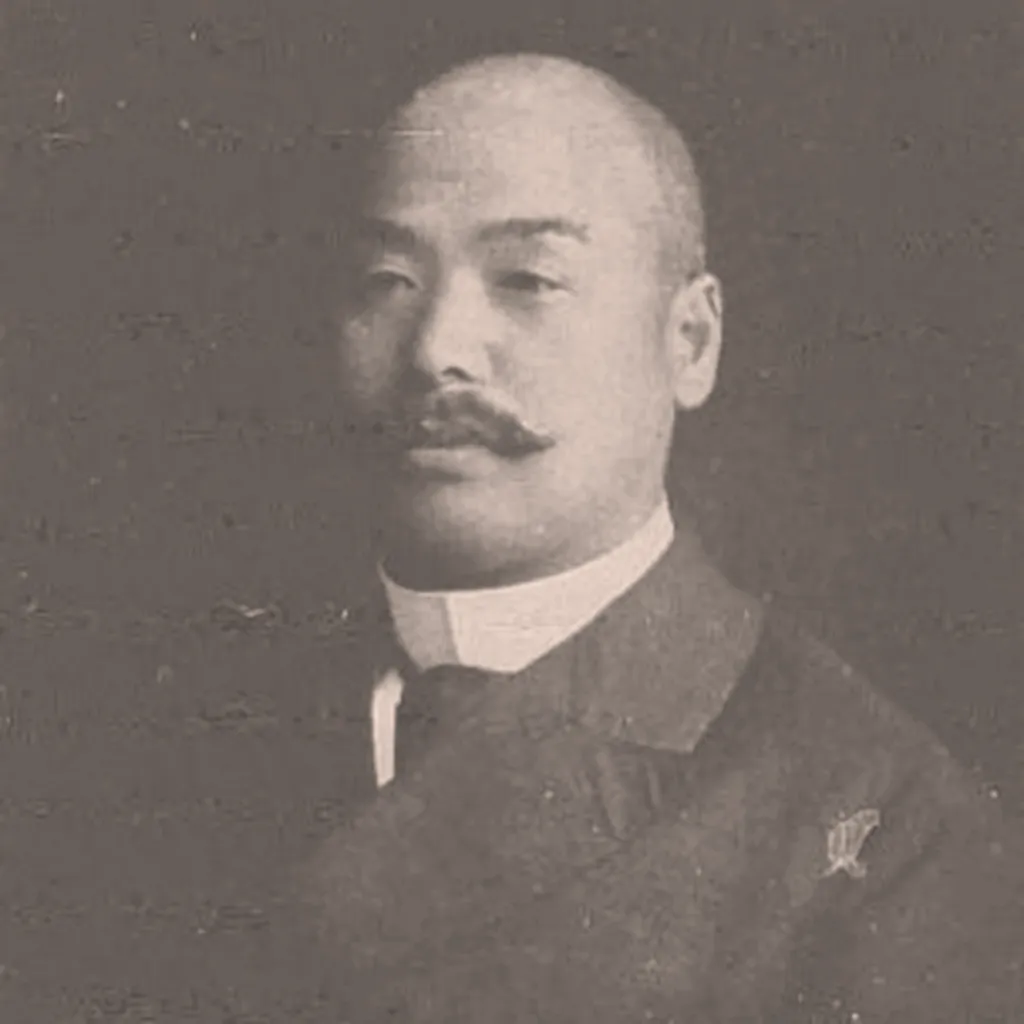
Seiroku Honda
日本 1866-08-11 ~ 1952-01-29
Meiji-Showa era forestry scholar and individual investor
Built a fortune through the 'quarter savings' method and donated it all
Systematic investment is the strongest starting point in the era of tax-free accounts
A Japanese forestry professor who built a fortune by saving one quarter of every paycheck and investing the rest, then donated it all upon retirement. Designer of Hibiya Park and the Meiji Shrine forest.
Quotes
Save a quarter of your salary before you spend a single yen.
月給の四分の一を天引き貯金せよ
In prosperous times, save diligently; in downturns, invest boldly.
好景気時代には勤倹貯蓄を、不景気時代には思い切った投資を
The greatest happiness in life lies in turning your work into your passion.
人生の最大の幸福は職業の道楽化にある
You cannot take your fortune into the coffin.
財産は棺桶に入れて持っていけない
Related Books
Seiroku Honda - Search related books on AmazonModern Application
Honda's quarter-salary rule is the most actionable wealth-building habit: automate savings before you can spend. Today this means automatic transfers into brokerage or retirement accounts. His contrarian discipline of saving in booms and investing in busts maps onto rebalancing strategies. His donation of everything reframes the purpose of wealth. In an era of early-retirement movements, his insistence on loving your work offers a healthier model for earning, investing, and living.
Genre Perspective
Honda is the intellectual origin of personal wealth-building in Japan. Where Western value investors stress company analysis, he taught a full cycle: earn, save, grow, give back. He embedded investing within daily habits, making him a forerunner of dollar-cost averaging and patient capital.
Profile
Seiroku Honda proved through his own life that disciplined saving and patient investing can turn a modest salary into extraordinary wealth. Born in 1866 to a farming family in Saitama, he lost his father young and worked his way into the Tokyo School of Forestry. After studying advanced forestry at the University of Munich, he became a professor at the Imperial University of Tokyo for over 25 years.
The cornerstone of his method was the quarter-salary rule: set aside exactly 25% of every paycheck before spending anything, and live on the rest. All supplementary income went straight into savings. Simple in concept, it demanded iron discipline. Honda channeled these funds into stocks and real estate, following a contrarian principle: sell in booms, buy in busts. He made well-timed moves around the post-Russo-Japanese War surge and the 1923 Great Kanto Earthquake crash. His forestry expertise gave him a decisive edge in timberland investments, where he acquired undervalued forests and managed them for long-term value.
Upon mandatory retirement in 1927, Honda donated virtually his entire estate to educational institutions and public works, anticipating modern philanthropy by decades. As a forestry scientist, he designed Hibiya Park, the Meiji Shrine forest, and other iconic green spaces. The Meiji Shrine forest was planned around centuries-long ecological succession, reflecting his investment philosophy of long-horizon thinking. His book My Confession of Wealth remains in print and widely read. He died in 1952, aged 85.